

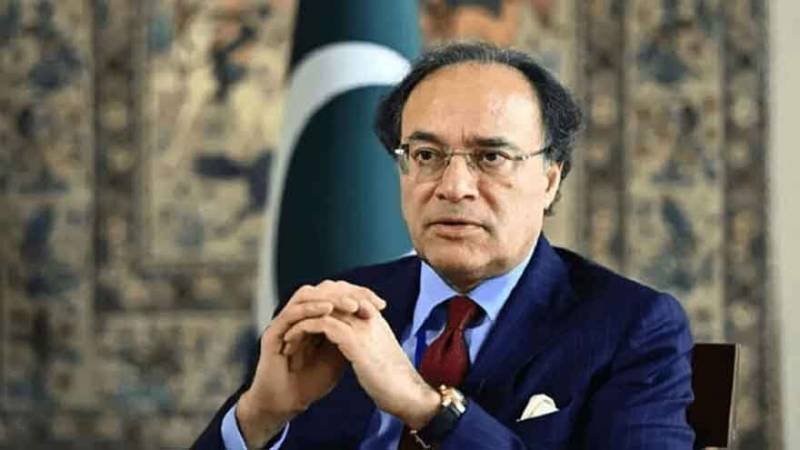
Finance Minister Muhammad Aurangzeb recently announced that the federal government has absorbed a financial hit of 69 billion rupees to keep domestic fuel prices stable for the public. This massive expenditure aims to shield ordinary citizens from the full impact of global market fluctuations during a period of high inflation. During a recent press briefing, the minister clarified that the administration is prioritizing immediate relief despite the significant strain on the national treasury. Officials are currently holding daily coordination meetings to ensure that the supply of petrol, diesel, and liquefied petroleum gas remains consistent across the country.
While the government is pulling every available lever to protect consumers, the country still faces severe financial limitations that make long-term subsidies difficult. Prime Minister Shehbaz Sharif has reportedly issued strict instructions to his economic team to find every possible way to lower the cost of living for the average person. The administration believes that managing these costs now is essential for maintaining social stability and economic momentum. However, officials admit that the current strategy requires a delicate balance between public welfare and fiscal responsibility.
Looking ahead, the government expects the national supply chain for energy products to stabilize significantly by April. Until then, the focus remains on demand management and encouraging citizens to adopt energy conservation habits to reduce the overall burden on the state. The minister suggested that more efficient use of resources at the household level could help stretch the available fuel reserves. This strategy is part of a broader effort to move away from blanket subsidies and toward a more sustainable energy policy.
The minister also raised concerns about external threats that could complicate these local efforts at any moment. Rising regional tensions and potential conflicts in energy-producing zones pose a constant risk to the infrastructure that supplies Pakistan with its fuel. Any disruption in these international corridors could force the government to rethink its current pricing strategy. This uncertainty makes it even more critical for the state to secure its internal logistics and distribution networks against sudden shocks.
To ensure that financial help reaches those who actually need it, the government is transitioning toward targeted subsidies rather than general price caps. This shift is intended to protect the most vulnerable segments of society while allowing the market to function more naturally for those who can afford it. As the economic team monitors the situation daily, the primary goal remains avoiding any sudden price hikes that could derail the fragile recovery of the middle class. Future policy adjustments will likely depend on how global oil prices behave over the coming winter months.
Comments (0)
No comments yet. Be the first to comment!
Leave a Comment