

Pakistan’s Air Quality Emergency and Its Impact on Public Health
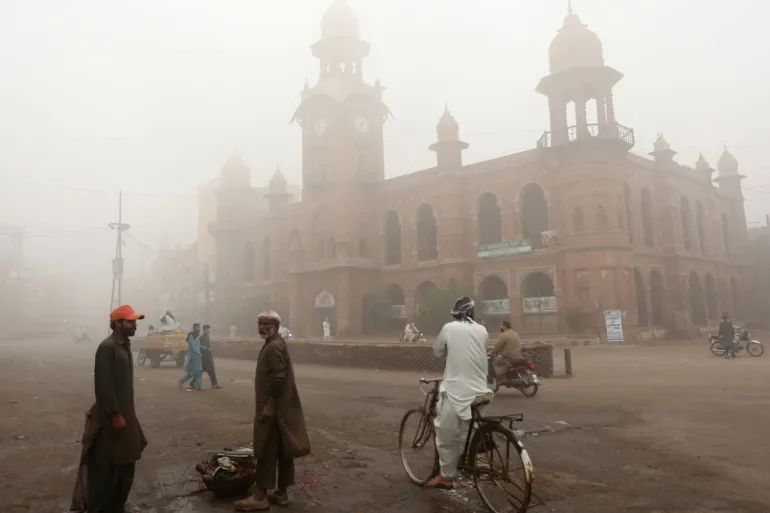
Pakistan is once again grappling with a severe air quality crisis, as major cities record dangerously high levels of pollution. On November 18, 2025, AQI readings in several urban centers exceeded 250, placing them in the “hazardous” category.
Cities including Lahore, Karachi, Islamabad, Faisalabad, Multan, Peshawar, and Quetta have been hit hardest. Lahore ranked as the second most polluted city in the world, while Karachi came in third. These alarming figures highlight Pakistan’s ongoing struggle with smog and particulate matter pollution.
The primary pollutant driving this crisis is PM2.5, with Pakistan’s average concentration in 2024 measured at 73.7 µg/m³—nearly 15 times higher than the WHO guideline of 5 µg/m³. This makes Pakistan the third most polluted country globally.
Experts point to multiple causes:
- Industrial emissions from factories and power plants.
- Vehicular exhausts from rapidly growing traffic.
- Agricultural practices, particularly stubble burning after rice harvests.
- Biomass and waste burning in urban and rural areas.
- Seasonal weather patterns, including winter temperature inversions that trap pollutants.
- Transboundary pollution drifting in from neighboring India.
The health risks are severe. Children, the elderly, and those with respiratory conditions face heightened danger. Doctors warn of rising cases of asthma, bronchitis, and cardiovascular problems during the smog season.
Authorities advise residents to limit outdoor activity, keep windows closed, wear KN95 or FFP2 masks, and use air purifiers indoors. Short-term improvements may occur with wind or rain, but without policy reforms and stricter enforcement, Pakistan will continue to face recurring smog episodes each winter.
This crisis underscores the urgent need for sustainable urban planning, cleaner energy adoption, and stricter pollution controls. Without decisive action, Pakistan’s air quality will remain a major threat to public health and economic stability.
Comments (0)
No comments yet. Be the first to comment!
Leave a Comment