

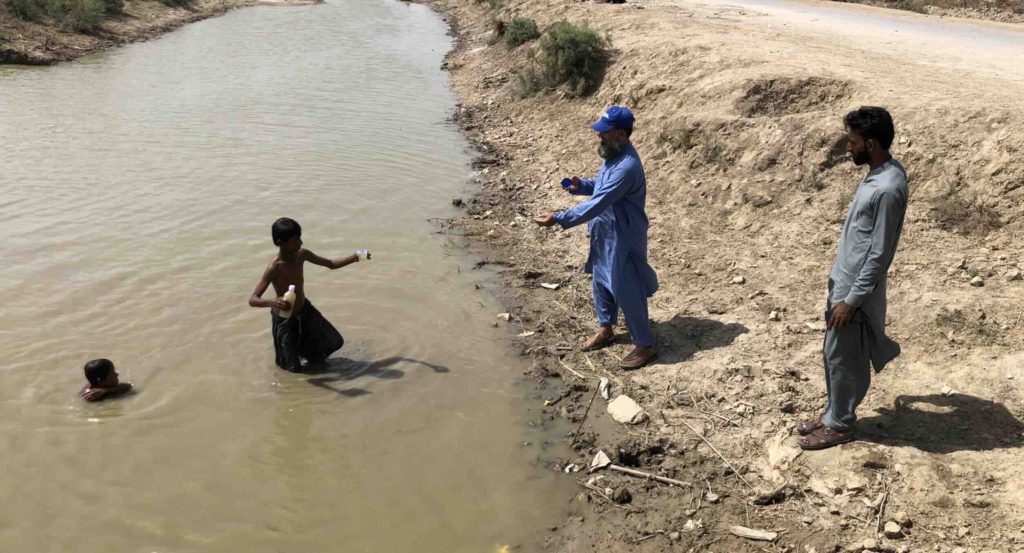
A recent report highlights a looming public health catastrophe in Pakistan: approximately 25% of the population lacks access to safe drinking water. This alarming shortfall undermines national efforts to combat waterborne diseases.
Despite widespread water supply coverage, only 36–39% of the country’s water is considered safe for consumption, with urban areas faring slightly better than rural regions. Contamination from bacterial pathogens, heavy metals like arsenic, and unsafe sanitation practices are widespread, particularly in underserved and flood-affected locales.
The health impact is dire: waterborne illnesses account for up to 40% of diseases and deaths, with diarrheal diseases alone claiming the lives of thousands of children annually. In Punjab, unsafe water has been detected even in urban centers, pointing to a systemic failure in ensuring water quality.
Experts assert that achieving Sustainable Development Goal 6 (clean water and sanitation) hinges on integrated action. Urgent priorities include improving water treatment infrastructure, addressing rural-urban disparities, strengthening water quality monitoring, and recognizing access to safe water as a fundamental human right.
Comments (0)
No comments yet. Be the first to comment!
Leave a Comment