

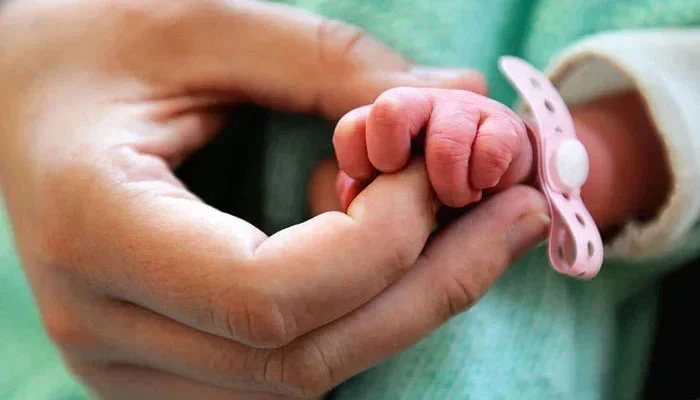
Every single day Pakistan faces the heartbreaking reality of losing hundreds of newborn babies and dozens of mothers to preventable causes. It is estimated that approximately 675 infants under one month of age and 27 mothers die daily across the country, a number that translates into hundreds of thousands of lives lost annually. These deaths occur mainly because of complications during pregnancy and childbirth, inadequate maternal healthcare, and lack of timely medical attention for newborns.
Most of these tragedies are avoidable. When mothers do not receive proper prenatal care, when deliveries are not attended by skilled health professionals, or when newborns are not provided with immediate postnatal care, the risk of mortality rises dramatically. Infections, premature births, complications from labour and lack of emergency facilities in rural and remote areas make survival even more difficult. The situation is especially dire for poorer families and those living far from well-equipped hospitals where transport delays and lack of awareness can turn manageable conditions into fatal outcomes.
Over the years, some progress has been made in reducing maternal and neonatal deaths, but the numbers remain alarmingly high. While maternal mortality ratios and newborn death rates have declined compared to previous decades, the pace of improvement is slow and uneven across provinces. Millions of families still struggle with inadequate healthcare infrastructure, shortages of skilled personnel, and limited access to essential medicines.
Addressing this crisis requires strong policy action and substantial investment. Pakistan needs more well-trained midwives and health workers in rural areas, improved emergency obstetric care, and robust community health programs. Public awareness campaigns about danger signs during pregnancy and after birth, along with access to clean water, good nutrition, and hygiene, can dramatically improve outcomes. By prioritizing maternal and newborn health in national budgets, ensuring supplies and equipment in health facilities, and holding systems accountable for results, the country can drastically reduce its maternal and neonatal mortality rates.
This is not just a public health issue but also a social and economic one. Losing mothers and infants affects entire communities, deepens poverty, and limits future development. By acting decisively now, Pakistan can safeguard countless lives and give every child a fair chance at survival and a healthy future.
Comments (0)
No comments yet. Be the first to comment!
Leave a Comment