

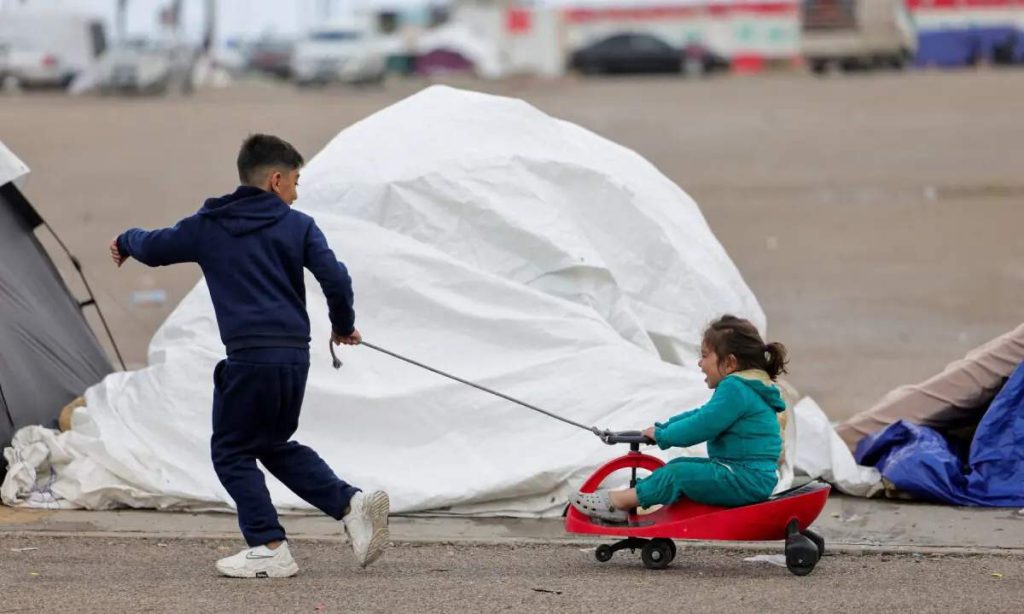
Muslim communities across the globe observed Eid ul-Fitr this week under a heavy cloud of grief as ongoing wars and humanitarian crises dampened the traditional spirit of celebration. In many regions, the usual festive atmosphere gave way to quiet prayers and shared mourning for those lost to violence over the past several months. Families gathered in mosques not just to mark the end of fasting, but to express solidarity with millions of people facing displacement and starvation. The contrast between the holiday’s message of peace and the harsh reality on the ground was felt deeply by worshippers from the Middle East to Southeast Asia.
The situation in Gaza remained the focal point of collective sorrow as the holiday arrived amidst continued bombardment and a worsening famine. Instead of preparing elaborate feasts, residents searched for basic necessities among the ruins of their neighborhoods, while many prayed in the shadows of destroyed mosques. This year, the focus shifted from celebration to survival, with many locals stating that there can be no true joy while their community faces such unprecedented destruction. The lack of a ceasefire before the holiday began left many feeling abandoned by the international community during their most sacred time.
Beyond the immediate war zones, a sense of frustration simmered regarding the perceived inability of Muslim-majority nations to present a unified front. While various governments issued statements of condemnation, critics pointed out that internal political divisions and competing national interests have largely paralyzed collective action. This lack of cohesion has prevented the mobilization of significant diplomatic or humanitarian pressure that many citizens feel is necessary to stop the bloodshed. The holiday served as a reminder of the gap between the rhetoric of brotherhood and the reality of geopolitical fragmentation.
In several other countries, economic instability and domestic unrest further complicated the Eid festivities for millions of struggling families. Inflation and rising food prices meant that many parents could not afford new clothes or traditional gifts for their children, leading to a much more modest observance than in previous years. In nations like Sudan and Yemen, the day was marked by the same persistent fear and scarcity that has defined their daily lives for years. Even in more stable regions, the public mood remained restrained out of respect for the suffering occurring elsewhere in the world.
As the holiday concludes, the focus remains on whether any lasting diplomatic breakthroughs can be achieved to provide relief to those in conflict zones. Activists and religious leaders continue to call for a more structured approach to regional cooperation that moves beyond temporary aid and toward long-term peace. The global community now watches to see if the somber reflections of this Eid will translate into more decisive political action in the coming weeks. For now, the hope for a more peaceful celebration next year remains a central theme in prayers across the world.
Comments (0)
No comments yet. Be the first to comment!
Leave a Comment