

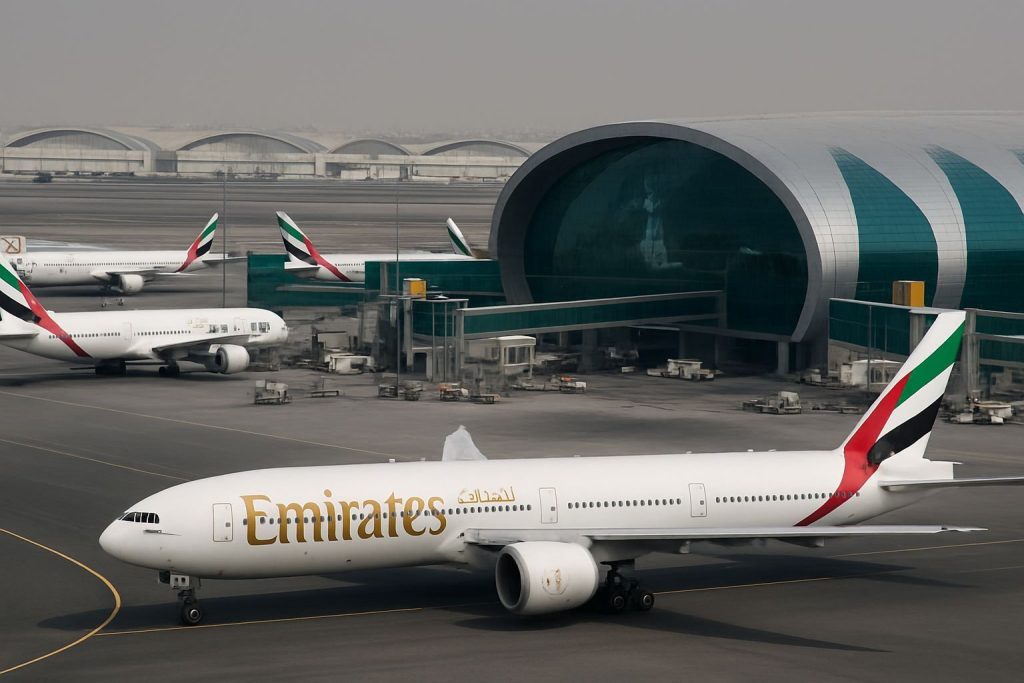
At least 11 international flights have been stranded at airports across Pakistan for the past three days due to escalating tensions in the Middle East following recent military actions. The crisis, which began after strikes on Iran, has led to widespread disruption of air travel in the region.
A foreign airline flight has been waiting to depart from Multan airport for three days, while two other international carriers remain grounded at Sialkot Airport. This situation has forced airlines to reroute, significantly increasing traffic through Pakistani and Afghan airspace. Flight tracking data shows these corridors have become exceptionally busy as global airlines navigate the altered flight paths.
Major Middle Eastern aviation hubs, including Dubai, Abu Dhabi, and Doha, have experienced closures or severe restrictions. This has had a ripple effect worldwide, stranding aircraft and crews and disrupting global airline schedules. Airlines across Europe, Asia, and the Middle East are canceling or rerouting flights, leading to longer travel times and increased fuel costs.
The closure of Iranian and Iraqi airspace, which had become more critical following the conflict in Ukraine, further compounds the problem. With airlines now squeezed into narrower flight corridors, the situation is further complicated by potential risks associated with airspace over conflict zones.
Comments (0)
No comments yet. Be the first to comment!
Leave a Comment