

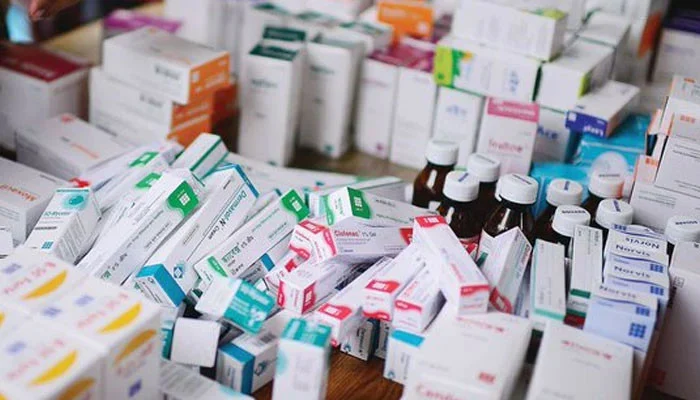
Pakistan is facing a dramatic drain on its healthcare resources as a result of irrational prescribing of medicines and unethical marketing practices. Recent data points to losses in the range of Rs 35 billion to Rs 50 billion annually tied to medicines that are prescribed without sufficient evidence, over-promoted, or misused.
The regulatory body Drug Regulatory Authority of Pakistan (DRAP) has described the situation as both an ethical failure and an economic burden. Irrational drug use is estimated to consume nearly one-quarter of the total health budget in Pakistan, which is especially troubling given that around 65 percent of healthcare spending is out of pocket by patients.
One of the major consequences of this misuse is the acceleration of antimicrobial resistance (AMR). Drugs that once reliably treated infections such as typhoid, urinary tract infections and tuberculosis are now increasingly ineffective. This means higher costs, longer hospital stays, greater risk of fatalities and diminished trust in local pharmaceutical products.
The impact extends to the pharmaceutical industry itself. Companies that rely on rapid, large-volume marketing of medicines find their brand credibility eroded when over-prescription or inappropriate use causes resistance or failure. What appears to be short-term commercial gain ends up with long-term damage to patients, to public health and to export potential.
Efforts are underway to rein in this trend. DRAP has highlighted rules like SRO 1472(I)/2021 which set standards for ethical drug promotion and marketing. There are plans for digital audits, prescription analytics, and public dashboards to increase transparency in how medicines are prescribed and promoted. The message is clear: ethical compliance is not a cost but a trade enabler that builds trust and market access.
For the health system this means moving toward rational medicine use: prescribing based on evidence, limiting unnecessary use, and ensuring that patient welfare and not mere sales incentives is at the heart of every decision. One-percent incremental investment in rational drug use has been shown to yield savings of five-to-ten times that amount in returns.
Without decisive action the losses will continue—financially and health-wise. Patients will continue suffering due to ineffective medicines, the pharma industry will lose export credibility, and the health budget will keep leaking into avoidable costs.
In summary, Pakistan must treat irrational drug use not as a side issue but as a core health policy challenge. Addressing it effectively will protect patients, strengthen the pharmaceutical sector, and anchor long-term public health gains.
Comments (0)
No comments yet. Be the first to comment!
Leave a Comment