

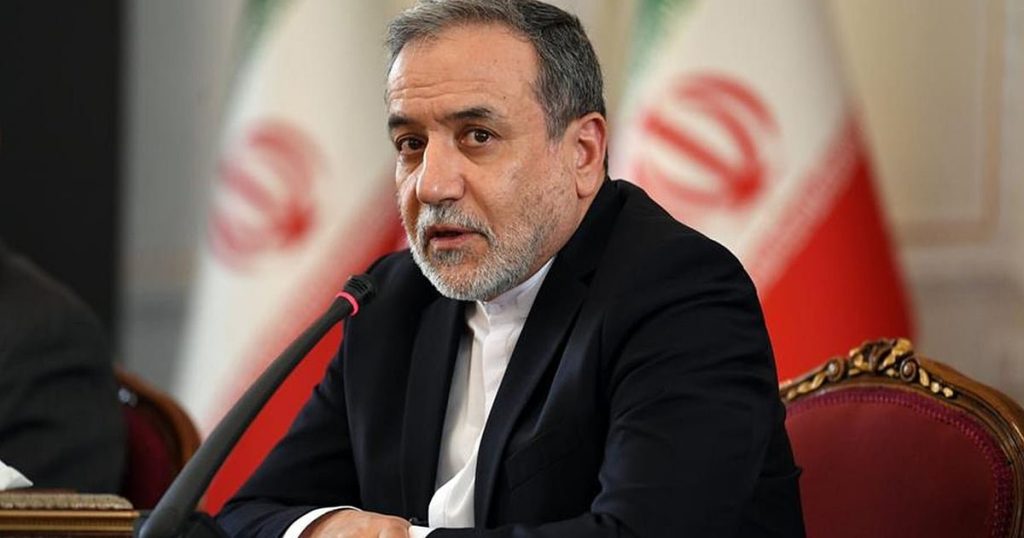
Iranian Foreign Minister Abbas Araghchi has clarified that the Strait of Hormuz is not entirely closed, but access is restricted for nations considered adversaries. This statement comes amid international concerns over the strategic waterway, following several incidents involving ships. Araghchi indicated that shipping lanes remain open for countries friendly to Iran, emphasizing a distinction in policy based on geopolitical relationships.
The minister specifically mentioned that Japanese vessels will be permitted passage without hindrance, a significant development given Japan’s close ties with the United States. Speaking to Kyodo News, Araghchi explained that Iran views the strait as open, but not for ships belonging to countries that are hostile or have attacked Iran. This nuanced approach suggests a targeted application of control rather than a blanket blockade.
Previously, on March 21st, Germany, France, Japan, and twenty-one other nations issued a joint appeal urging Iran to cease hostilities and reopen the Strait of Hormuz. Their statement expressed concern that Iran’s actions could have far-reaching consequences, particularly affecting vulnerable populations globally. The appeal implored Iran to consider the gravity of the situation and ensure the strait’s accessibility.
Araghchi’s latest remarks suggest Iran’s intention to differentiate between its allies and its rivals, such as Israel and the United States. By allowing passage for friendly nations and denying it to adversaries, Iran appears to be leveraging its control over the Hormuz Strait as a strategic tool. This policy aims to exert pressure on specific countries while maintaining trade relations with others.
Adding another layer to the regional tensions, an Iranian military spokesperson alleged that the United States and Israel are targeting civilian vessels in the Gulf. The spokesperson reportedly issued a veiled warning of unspecified retaliatory measures from the Iranian military if these alleged attacks continue. The situation remains fluid, with the potential for escalation depending on further actions and responses from all parties involved.
Comments (0)
No comments yet. Be the first to comment!
Leave a Comment