

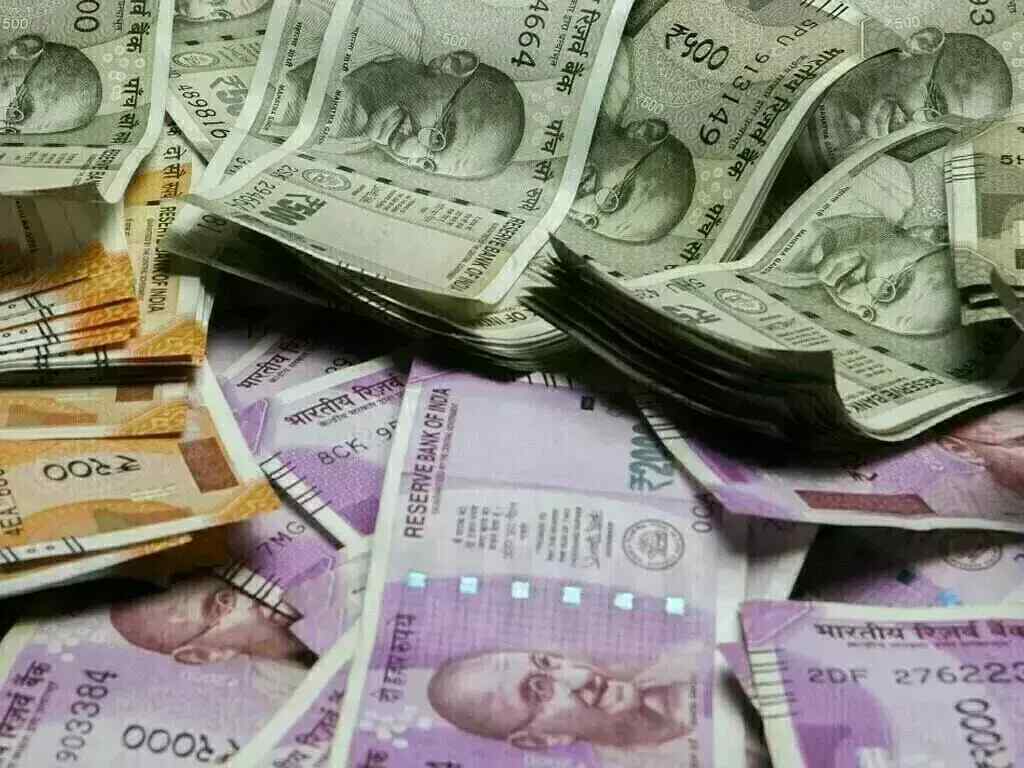
The Indian rupee plummeted to an unprecedented low on Friday, sliding past the 93 mark against the US dollar as geopolitical tensions in the Middle East rattled global markets. This sharp decline represents the worst single-day drop for the currency in more than four years, fueled by growing fears that the conflict involving Iran will paralyze energy supplies. Investors are increasingly worried about the impact on Asia’s third-largest economy, which relies heavily on imported fuel to keep its industries running. By the end of the trading session, the local unit settled near 93.71, marking a significant weekly loss that has caught the attention of financial analysts worldwide.
Market participants are particularly concerned about the sustained surge in crude oil prices, which briefly touched nearly $120 per barrel earlier in the week. As the world’s third-largest consumer of oil, India faces a double threat of slowing economic growth and rising domestic inflation if energy costs remain elevated. This environment has triggered a massive sell-off by foreign institutional investors, who have pulled more than $8 billion out of Indian stocks this month alone. Such heavy capital outflows exert immense pressure on the rupee, making it difficult for the currency to find a stable floor amidst the regional instability.
Local demand for the greenback has intensified as state-run oil companies scramble to secure dollars for their expensive fuel imports. Traders noted that this persistent commercial demand, combined with speculative short bets, has driven the rupee down by nearly 3% since the outbreak of hostilities in the Gulf. While some relief appeared on Friday as oil prices retreated slightly to $110, the relief was short-lived. Plans for international naval cooperation to secure shipping lanes through the Strait of Hormuz provided a temporary psychological boost, but the underlying anxiety regarding supply disruptions remains the dominant theme on trading floors.
This latest currency crisis adds to a challenging year where the rupee has already depreciated roughly 8% against the dollar due to various trade frictions and global shifts. The ripple effects are being felt across the broader financial landscape, with Indian stock indices hitting one-year lows and government bond yields climbing higher. Economists are now sounding the alarm over widening fiscal and current account deficits, which could further weaken the nation’s sovereign credit profile. Despite these headwinds, the central bank has stepped in frequently to manage the volatility, preventing a total freefall that has plagued other emerging market currencies like the South Korean won.
Looking ahead, the path for the rupee depends heavily on whether the conflict in the Middle East escalates or shows signs of cooling. Financial strategists warn that if the war drags on, the currency remains highly vulnerable and could potentially slide toward the 95 level against the dollar. For now, all eyes are on the Reserve Bank of India to see how aggressively they will use foreign exchange reserves to defend the local unit. Global energy markets will continue to dictate the pace of recovery or further decline for the Indian economy in the coming weeks.
Comments (0)
No comments yet. Be the first to comment!
Leave a Comment