

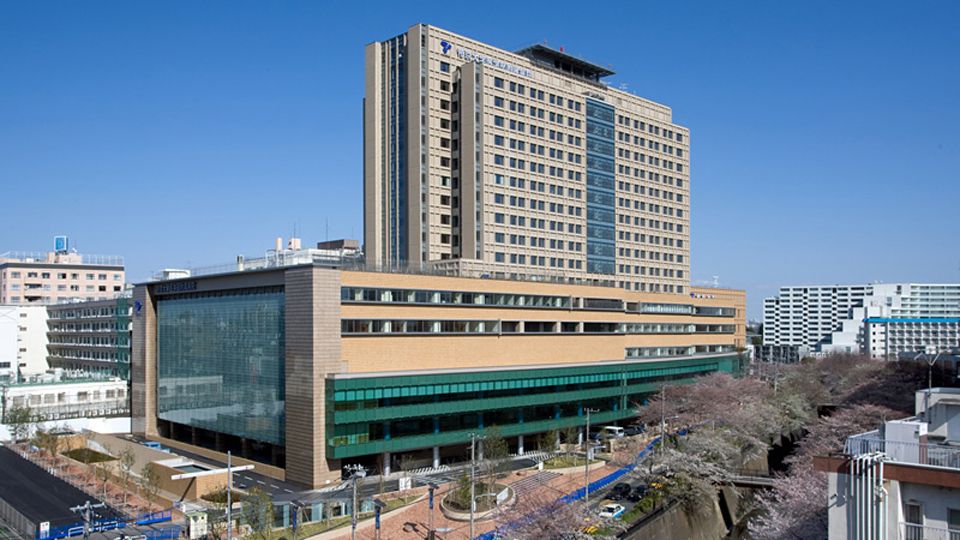
Transforming Hospital Collaboration with Data-Driven Patient Management
Japanese technology leader Fujitsu Japan Limited has partnered with Teikyo University Hospital to launch a new proof of concept aimed at improving hospital operations and strengthening regional healthcare cooperation. The initiative focuses on using advanced data analysis and digital tools to streamline the management of referred patients and enhance overall hospital efficiency.
The project officially began on March 16, 2026, and centers on building a digital framework that can analyze healthcare data and manage patient referrals more effectively. By integrating medical administration systems with electronic health records, the initiative aims to support hospitals in admitting patients faster while ensuring smoother coordination with local medical providers.
One of the main goals is to improve the entire patient workflow—from the moment a referral is received to the patient’s discharge and return to community healthcare providers. Through the use of AI-powered optical character recognition and digital documentation tools, information from external clinics and hospitals can be digitized quickly and integrated into existing hospital systems. This reduces repetitive data entry and helps staff manage patient information more efficiently.
Another important component of the project involves the use of a healthcare management platform developed under Fujitsu’s Uvance initiative. The platform analyzes data from medical billing systems and electronic health records to identify patterns in patient referrals and collaboration with partner healthcare facilities. With this insight, hospitals can better understand where partnerships should be strengthened and develop more strategic approaches to patient intake.
The system will also record visits and communication with partner medical facilities. This information will be stored and analyzed to measure referral performance and identify opportunities for improving regional cooperation among healthcare providers. By using data insights, hospitals can develop more effective strategies to support both patients and collaborating institutions.
For Teikyo University Hospital, the initiative aims to significantly reduce administrative workload in its medical collaboration office. Officials expect that the new system could cut administrative tasks related to regional healthcare coordination by approximately 30 percent. This reduction would allow staff to focus more on patient care and operational improvements.
Beyond efficiency gains, the collaboration also seeks to improve patient outcomes. Faster referral processing means that patients who require hospitalization or specialized treatment can receive care sooner. At the same time, a structured discharge coordination process ensures that patients transition smoothly back to local clinics after treatment.
Looking ahead, both organizations plan to expand system integration and further develop the platform’s capabilities. The long-term vision is to create a fully digital, data-driven healthcare environment where patient workflows are centrally managed and medical professionals have the insights needed to make faster and more informed decisions.
As healthcare systems worldwide continue to face growing demand and resource challenges, digital solutions like this collaborative project highlight how technology can support more sustainable and efficient medical services. By combining data analytics, artificial intelligence, and hospital expertise, the initiative aims to set a new model for modern healthcare collaboration in Japan.
Comments (0)
No comments yet. Be the first to comment!
Leave a Comment