

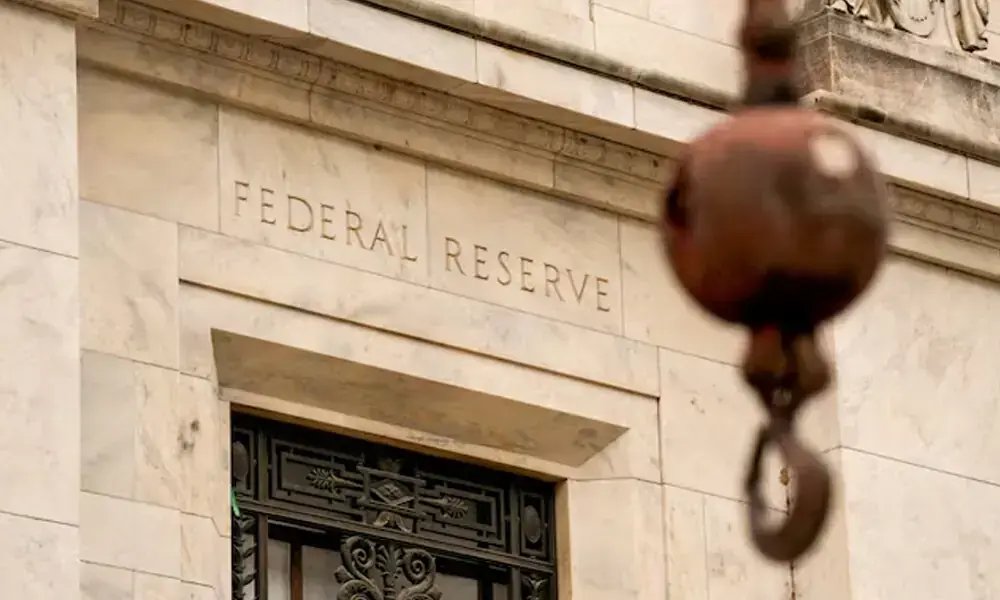
Federal Reserve officials are increasingly concerned that the conflict in the Middle East could complicate the fight against inflation, leading some to reconsider earlier plans for interest rate cuts. Fed Governor Christopher Waller indicated that the escalating war with Iran presents a significant risk of persistent inflation, influencing his recent shift to favor holding interest rates steady. This developing situation has also caused financial markets to adjust their expectations, with some now anticipating a potential rate hike rather than a reduction in borrowing costs.
Waller explained that while oil price shocks often prove temporary, the central bank must monitor whether current energy price surges remain elevated. Such sustained high prices could push inflation further above the Fed’s 2% target, a development that would necessitate a policy response. He noted that if these higher energy costs begin to impact underlying inflation rates, the Fed would need to take action to counteract it.
Despite these concerns, Waller expressed a desire to observe the situation unfold before making definitive policy moves. He suggested that if conditions improve and the labor market remains subdued, he would likely revert to advocating for rate cuts later in the year. However, he did not see an immediate need to contemplate raising interest rates, a stance that some colleagues are reportedly considering amidst the current economic uncertainties.
Fed Vice Chair for Supervision Michelle Bowman also commented on the evolving economic landscape, stating it is premature to fully grasp the long-term effects of the Middle East conflict on U.S. economic activity. She emphasized the difficulty in forecasting how these developments will shape the Fed’s economic outlook and influence future policy decisions, including potential adjustments to interest rates.
These statements followed the Federal Reserve’s decision to maintain its benchmark interest rate and its updated economic projections, which still anticipate a single rate cut this year and another in 2027. The Fed’s latest policy statement acknowledged the broad uncertainty stemming from the regional conflict, underscoring the delicate balance policymakers face as they navigate inflationary pressures and geopolitical instability.
Comments (0)
No comments yet. Be the first to comment!
Leave a Comment