

Climate Change and the Hidden Mental Health Burden
Pakistan is facing a silent but profound crisis: environmental shocks are not only destroying livelihoods but also fueling widespread mental health challenges.
Unpredictable seasons, prolonged heatwaves, and devastating monsoons have disrupted agriculture, displaced families, and strained already fragile households. Beneath the visible destruction lies climate anxiety—an unspoken fear about survival, stability, and the future.
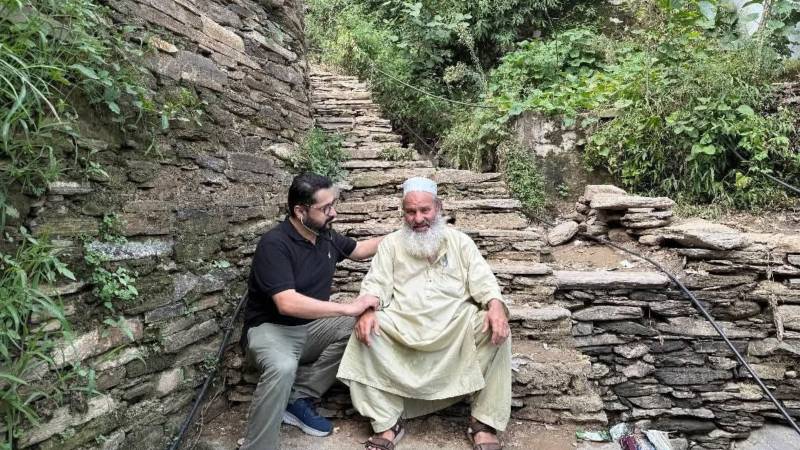
Psychiatrists working in flood-affected regions report that trauma lingers long after waters recede. Depression, anxiety, and post-traumatic stress disorder (PTSD) are increasingly common among survivors, especially women, children, and the elderly. Yet Pakistan’s mental health infrastructure remains severely under-resourced, with fewer than 600 psychiatrists serving over 240 million people, most concentrated in urban centers.
The floods of 2022 and the monsoons of 2025 left millions displaced and thousands dead, reopening psychological wounds that persist years later. Survivors describe recurring fear with every storm, sleepless nights, and guilt over lost loved ones. These experiences highlight how climate disasters erode hope and deepen vulnerability.
Community-based counseling, mobile psychosocial teams, and telepsychiatry initiatives have shown promise in reaching remote areas. However, experts stress that mental health must be integrated into disaster planning, not treated as an afterthought. Training local health workers to recognize distress, expanding rural services, and addressing stigma through schools and media are critical steps forward.
With NDMA projections warning of heavier monsoons ahead, the urgency is clear. If mental health systems remain weak, the psychological toll of future disasters could rival the physical destruction. Strengthening resilience at both individual and community levels is essential to safeguard Pakistan’s future in the face of climate change.
This growing crisis underscores a vital truth: when minds are not safe, societies cannot remain stable.
Comments (0)
No comments yet. Be the first to comment!
Leave a Comment