

Afghanistan’s Medicine Crisis Deepens After Taliban Ban on Pakistani Imports
Afghanistan is grappling with a worsening healthcare emergency after the Taliban imposed a ban on medicine imports from Pakistan. The decision has disrupted supplies of essential drugs, leaving pharmacies and hospitals struggling to meet patient needs.
Before the ban, Pakistan accounted for nearly 70% of Afghanistan’s medicine supply. With the border closed for almost two months due to escalating tensions, Afghan citizens are finding it increasingly difficult to access even basic treatments.
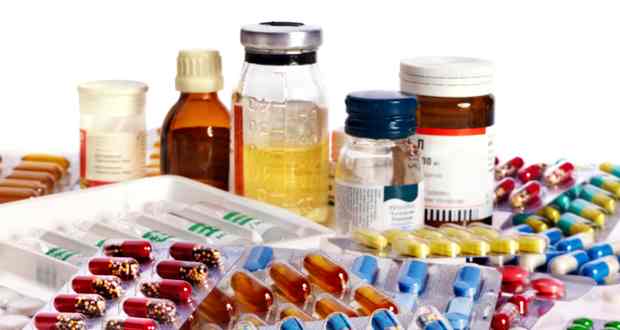
Activists and patients report shortages of antibiotics, insulin, and heart medication, while prices for available drugs have surged. Pharmacies are now flooded with counterfeit and expired medicines, making it difficult for people to distinguish genuine products from dangerous substitutes.
In Herat, activist Lina Haidari described the crisis as dire, noting that many patients have turned to traditional remedies for chronic conditions like diabetes, putting their lives at risk.
Despite widespread reports of shortages, Taliban Health Minister Jalal Jalali insists there is “no shortage of medicines” in the country. However, the regime has begun seeking alternatives, signing a $100 million contract with Indian companies to supply medicines. India has already shipped 73 tons of life-saving drugs and vaccines, though experts warn this is only symbolic compared to Afghanistan’s vast needs.
The Taliban are also exploring imports from Turkey and Iran, while entrepreneurs discuss setting up domestic production facilities. Yet Afghanistan’s weak pharmaceutical infrastructure, lack of laboratories, and poor quality controls mean local production will take years to become viable.
The crisis highlights Afghanistan’s deep dependency on foreign aid and imports. Since the Taliban takeover in 2021, international assistance has dwindled, worsening the humanitarian situation. According to the UN, more than 23 million Afghans—over half the population—require humanitarian aid.
With rising demand, limited supply, and growing reliance on unsafe alternatives, Afghanistan’s drug shortage threatens to spiral into a full-scale public health disaster.
Comments (0)
No comments yet. Be the first to comment!
Leave a Comment