

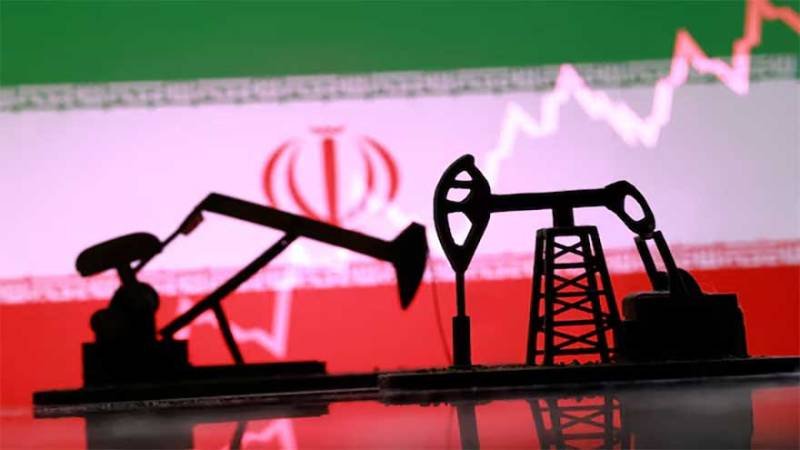
The U.S. Treasury Department has issued a temporary 30-day waiver on sanctions, allowing for the sale of Iranian oil currently at sea. This move aims to inject approximately 140 million barrels of oil into global markets, a strategy intended to ease escalating energy prices. The decision comes amid concerns that sustained high oil costs, exacerbated by recent geopolitical tensions, could negatively impact American consumers and businesses. It also arrives as President Trump’s Republican party seeks to maintain control of Congress in the upcoming November elections.
This special license, detailed on the Treasury Department’s website, permits the import of Iranian oil into the United States specifically to finalize sales or deliveries. While the U.S. has largely abstained from importing Iranian oil since the 1979 revolution, it remains uncertain if this waiver will actually result in significant volumes reaching American shores. The exemption explicitly excludes regions such as Cuba, North Korea, and Crimea, and will remain active until April 19.
The initiative is anticipated to provide a notable boost to Asian markets, which represent the largest consumers of Middle Eastern oil. Energy Secretary Chris Wright suggested that these supplies could reach Asia within a few days, potentially hitting the market after a refining period of about six weeks. This influx could help stabilize oil prices, which have recently surged past $100 a barrel, reaching their highest point since 2022.
Historically, independent Chinese refiners have been the primary purchasers of Iranian oil under sanction, often benefiting from substantial price discounts. Before the re-imposition of U.S. sanctions in 2018, countries including India, South Korea, Japan, Italy, Greece, Taiwan, and Turkey were also significant importers of Iranian crude. This waiver marks the third instance in just over two weeks that the Treasury has temporarily relaxed sanctions on oil from nations considered adversaries.
This series of actions underscores the administration’s broader effort to curb energy price inflation. The U.S. had previously eased sanctions related to Russian oil and, more recently, issued a general license permitting the sale of Iranian crude and petroleum products loaded onto vessels by Friday. The underlying strategy appears to be leveraging Iranian oil supplies against Tehran itself to drive down global price benchmarks.
Comments (0)
No comments yet. Be the first to comment!
Leave a Comment