

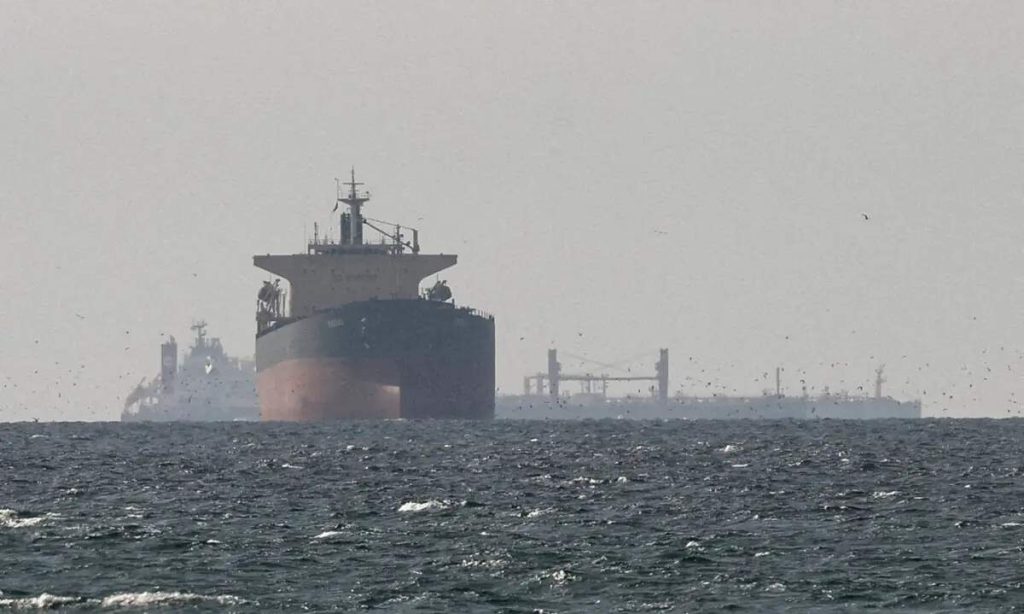
President Donald Trump issued a stark warning to Iran on Saturday, threatening to devastatingly strike its power plants if the Strait of Hormuz is not fully reopened within 48 hours. This ultimatum followed closely on the heels of discussions about de-escalating tensions, marking a significant shift in rhetoric. The President’s social media announcement specified that the United States would target various power facilities, beginning with the largest, if Iran failed to comply with the demand for unobstructed passage through the vital waterway. This threat broadens the potential targets to critical infrastructure impacting Iranian civilian life.
The ongoing situation surrounding the Strait of Hormuz, a crucial chokepoint for roughly one-fifth of global oil and liquefied natural gas, has already caused considerable disruption. With many vessels avoiding the narrow passage due to perceived Iranian threats, the global energy market faces a potential shock. Last week saw European gas prices surge by as much as 35 percent because of these supply concerns, underscoring the strait’s immense importance to international commerce and energy security.
In response to the escalating threats, Iran’s Khatam al-Anbiya military command headquarters stated that any attack on its energy infrastructure would prompt retaliation against all US energy, IT, and desalination facilities in the region. This exchange of threats comes after a period of heightened activity, including an Iranian strike on Qatar’s Ras Laffan Industrial City, which damaged LNG processing capabilities expected to take years to repair. The volatile situation has pushed the conflict into increasingly dangerous territory, raising concerns about wider regional instability.
Further complicating matters, Israeli officials reported that Iranian forces had for the first time launched long-range missiles, extending the range of potential attacks beyond the immediate Middle East. These missile launches reportedly targeted the US-British military base at Diego Garcia in the Indian Ocean, a development that occurred before specific authorization was granted for US strikes on Iranian missile sites. Military leaders noted these launches could threaten European capitals, a significant expansion of Iran’s military reach.
The United States and Israel had initiated strikes against Iran on February 28, leading to this latest exchange of threats and actions. The situation remains fluid, with significant implications for global energy markets and regional security. The coming days will be critical in determining whether de-escalation or further confrontation prevails in this volatile standoff over maritime trade and energy supply routes.
Comments (0)
No comments yet. Be the first to comment!
Leave a Comment