
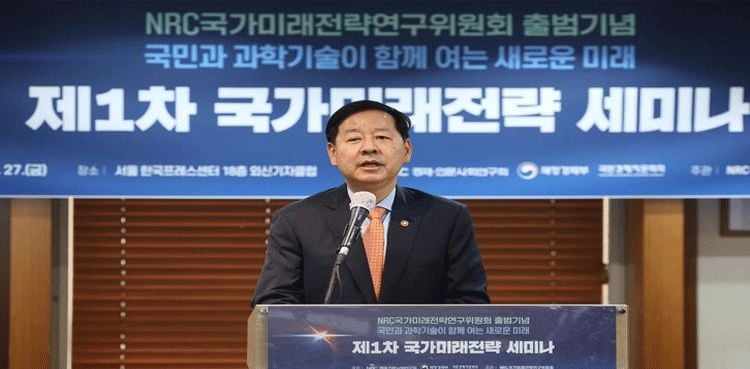
South Korea’s Finance Minister Koo Yun-cheol has hinted at expanding a mandatory vehicle rotation system to the private sector if oil prices rise beyond $120-130 per barrel. The government is closely monitoring global developments amid an escalating conflict in the Middle East, which could trigger a national resource crisis alert. A rise in oil prices would allow the system to be extended to the private sector and encourage public cooperation. The current system restricts vehicles from operating one day out of every five business days based on their license plate numbers. The government has already enforced the system for the public sector, with mandatory five-day rotations.
The finance minister’s comments came after the government raised its national resource security crisis warning to Level 2 last week, citing potential disruptions to crude oil supplies. He emphasized that a rise in oil prices could trigger a Level 3 alert from the current $100-$110 level. The system has been implemented as part of nationwide energy-saving efforts. The government’s decision is aimed at reducing dependence on imported oil and mitigating the impact of rising fuel costs. Small and medium-sized enterprises, as well as vulnerable households, are expected to benefit from the measures.
Koo Yun-cheol said that if the situation worsens, the government would need to take more drastic action. He noted that a rise in oil prices could severely affect the economy and daily life for citizens. The finance minister’s remarks suggest that the government is prepared to make tough decisions to address the crisis. However, the exact details of the proposed expansion remain unclear at this stage. More information on the plan is expected to be released later.
The current five-day vehicle rotation system has been in place since March and aims to reduce congestion on roads. The public sector has been required to participate voluntarily, with some employers offering exemptions for employees with essential duties. While the response from private companies has been mixed, some firms have expressed concerns about the economic impact of the system. The government’s efforts are part of a broader strategy to conserve fuel and mitigate the effects of rising oil prices.
The supplementary budget worth 25 trillion won (US$16.6 billion) will support small and medium-sized enterprises as well as households affected by the prolonged conflict in the Middle East. The government has agreed with the ruling Democratic Party to submit the bill to the National Assembly later.
Comments (0)
No comments yet. Be the first to comment!
Leave a Comment