

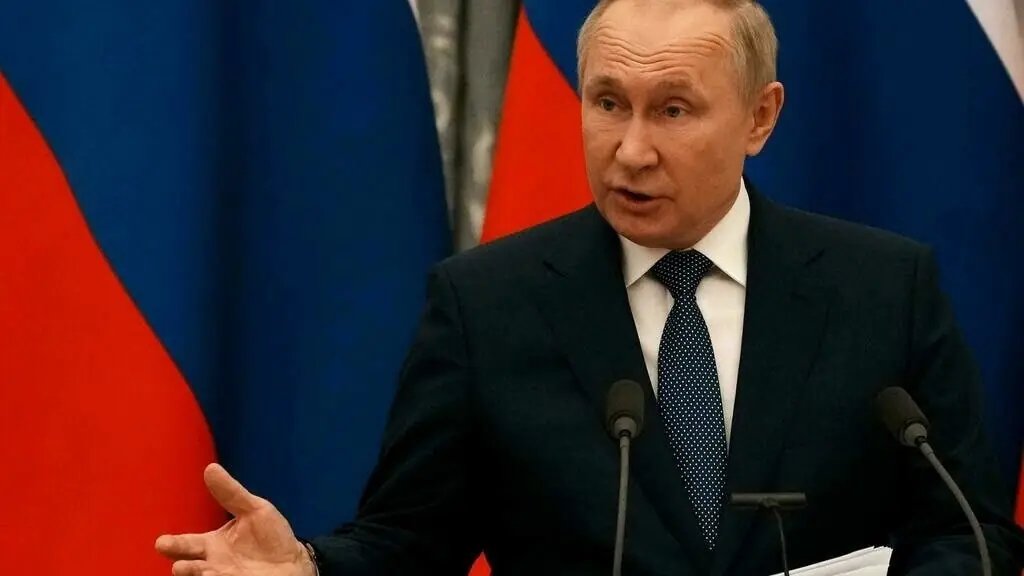
Russian President Vladimir Putin has reaffirmed Russia’s commitment to Iran, describing Moscow as a steadfast friend and dependable partner. This declaration came as Putin extended New Year’s wishes to Iranian leaders on the occasion of Nowruz. The Kremlin conveyed these sentiments, underscoring a message of solidarity during what has been described as a challenging period for Iran. This outreach highlights the ongoing diplomatic ties between the two nations amidst a complex geopolitical landscape.
Despite Moscow’s assurances, the tangible extent of Russia’s assistance to Iran has faced scrutiny. Some Iranian sources have reportedly expressed disappointment, suggesting that Moscow has offered limited practical help during significant crises. These internal sentiments paint a contrasting picture to the public statements of partnership, hinting at underlying complexities in the bilateral relationship. The perceived lack of substantial support has been a point of contention for some within Iran.
Putin’s message specifically extended congratulations to Supreme Leader Ayatollah Mojtaba Khamenei and President Masoud Pezeshkian. The Kremlin stated that Putin expressed a wish for the Iranian people to navigate their difficulties with resilience. He emphasized Moscow’s ongoing role as a loyal ally, particularly during this critical juncture. This communication aims to project an image of unwavering support from Russia to its Middle Eastern counterpart.
The geopolitical climate surrounding Iran has been volatile, with Russia attributing the region’s instability and a global energy crisis to what it terms US and Israeli actions. Putin has also unequivocally condemned the killing of an Iranian leader, calling it a cynical act. Meanwhile, reports suggesting a Moscow-Washington intelligence swap deal were quickly dismissed by the Kremlin as fabricated news, further complicating the narrative of international relations.
Looking ahead, Russia’s strategic partnership with Iran does not include a mutual defense pact, and Moscow has previously voiced opposition to Iran developing nuclear weapons, fearing it could ignite a regional arms race. Russia has also navigated its own international challenges, having lost an ally in Venezuela. The current situation underscores the intricate web of alliances and rivalries shaping the Middle East and global energy markets.
Comments (0)
No comments yet. Be the first to comment!
Leave a Comment