

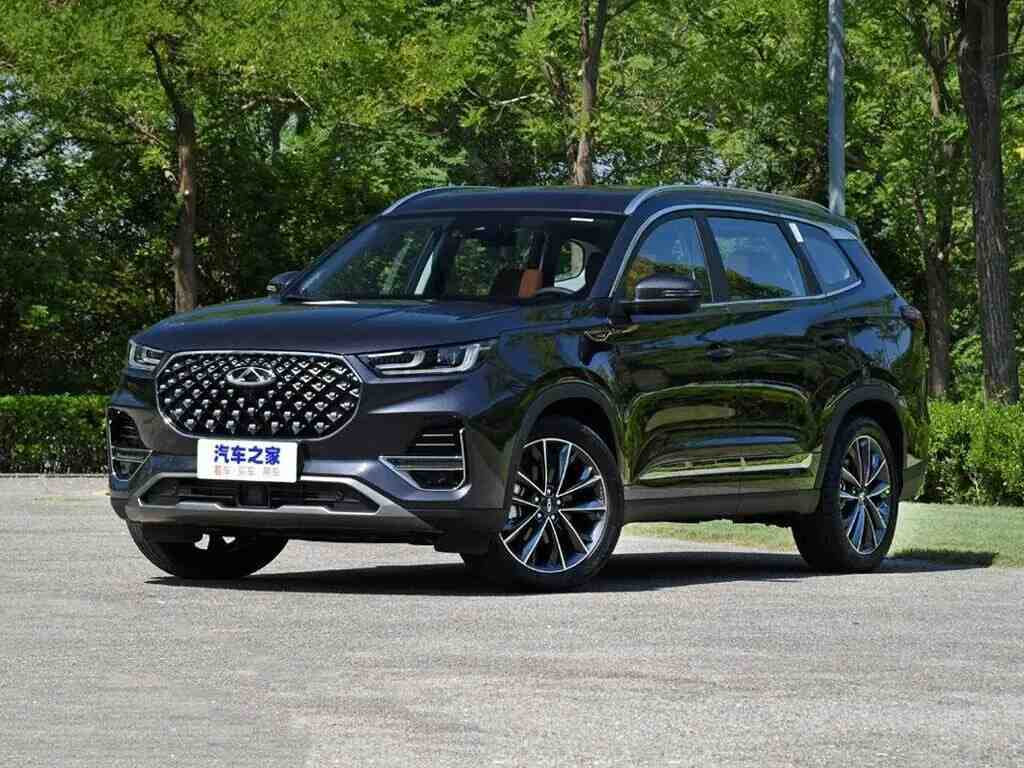
Rising petrol prices in Pakistan have crossed the threshold of 320 rupees per liter, forcing a massive shift in how the country’s drivers approach car ownership. This spike in fuel costs is transforming high-end sport utility vehicles from status symbols into significant financial burdens for middle-class households. Industry experts now suggest that the decision to switch to electric or hybrid technology is no longer just about being environmentally friendly. Instead, it has become a necessary financial strategy for families looking to protect their monthly budgets from the constant volatility of imported oil markets.
The difference in daily operational costs between traditional petrol engines and newer energy vehicles has become stark for the average commuter. A standard SUV typically provides around ten kilometers per liter, which translates to a cost of roughly 32 rupees for every single kilometer traveled. Even standard hybrid vehicles that do not plug in are still vulnerable to price hikes because they rely heavily on gasoline to function. While these hybrids are more efficient than pure petrol cars, they still cost about 18 rupees per kilometer, leaving drivers exposed to the next inevitable rise in fuel prices.
Plug-in hybrids and range-extended electric vehicles are emerging as the most practical solution for urban drivers who want to avoid these high costs. These vehicles allow owners to complete their daily city commutes using only battery power, which is significantly cheaper than burning fuel. For example, a modern plug-in SUV with a substantial battery can cover up to 170 kilometers on a single charge. At current household electricity rates, this brings the cost down to just 10 rupees per kilometer, representing a massive saving compared to any petrol-powered alternative on the market.
Homeowners who have invested in rooftop solar panels are finding themselves in an even more advantageous position as the mobility landscape changes. Pakistan has seen a rapid expansion in solar energy installations over the last year, with many residents now generating their own power. When a driver can charge their vehicle using solar energy produced at home, the cost of driving drops almost to zero. This intersection of renewable home energy and electric transportation is creating a new ecosystem that bypasses the traditional fuel supply chain entirely.
As the market continues to evolve, the demand for traditional combustion engines in the luxury and family segments is expected to decline further. Manufacturers are now pivoting their strategies to introduce more plug-in options that cater to this cost-conscious consumer base. Looking ahead, the success of these vehicles will likely depend on the continued stability of the power grid and the expansion of public charging infrastructure. For now, the sheer math of the petrol pump is doing more to promote green technology than any government policy ever could.
Comments (0)
No comments yet. Be the first to comment!
Leave a Comment