

Pakistan’s New Safety Code Sets Standards for Construction Workers
Pakistan has taken a landmark step in protecting its workforce by introducing the Occupational Safety and Health (OSH) Code for the construction sector. This is the country’s first comprehensive framework designed to regulate workplace safety, reduce accidents, and ensure compliance with international labor standards.
The construction industry, one of Pakistan’s largest employers, has long struggled with high rates of workplace injuries and fatalities. Unsafe practices, lack of protective equipment, and inadequate training have contributed to recurring accidents. The new OSH Code seeks to change this by establishing clear rules and responsibilities for employers, contractors, and workers.
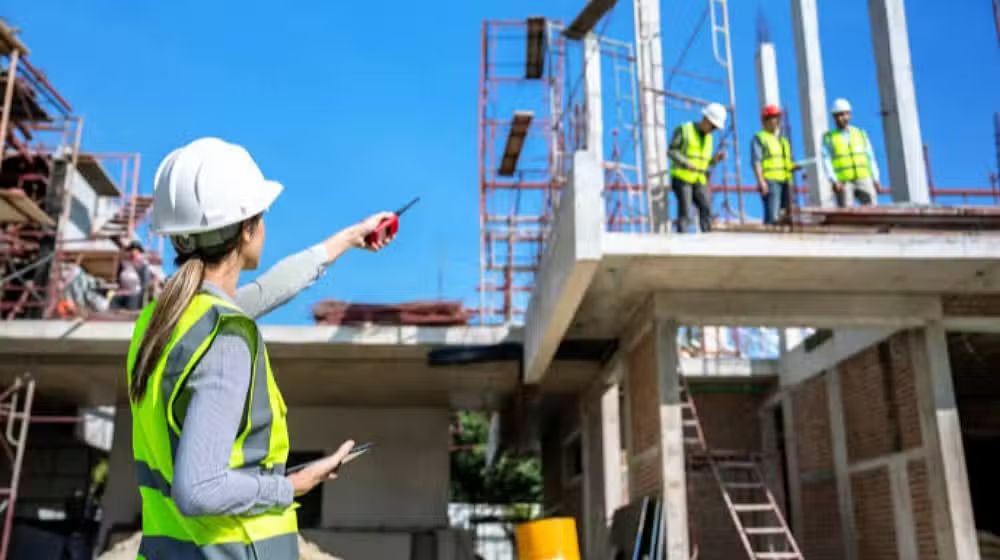
Key provisions of the code include mandatory safety training programs, compulsory use of personal protective equipment (PPE), and strict enforcement of site safety inspections. Employers will be required to provide safe working conditions, while workers must adhere to safety protocols to minimize risks.
The code also introduces penalties for non-compliance, ensuring accountability across the sector. By aligning with international standards, Pakistan aims to improve its reputation in global labor markets and attract foreign investment in infrastructure projects.
Officials from the Ministry of Labour emphasized that the OSH Code is not just about compliance but about creating a culture of safety. They highlighted that protecting workers’ lives and health is essential for sustainable economic growth.
Industry experts believe the new framework will significantly reduce workplace hazards, improve productivity, and enhance the welfare of construction workers. The initiative also reflects Pakistan’s commitment to modernizing its labor laws and strengthening worker protections.
With construction projects expanding nationwide, the OSH Code arrives at a critical time. It sets the stage for safer workplaces, healthier workers, and a stronger foundation for Pakistan’s development.
Comments (0)
No comments yet. Be the first to comment!
Leave a Comment