

Border Closure Threatens Pakistan’s Pharmaceutical Growth
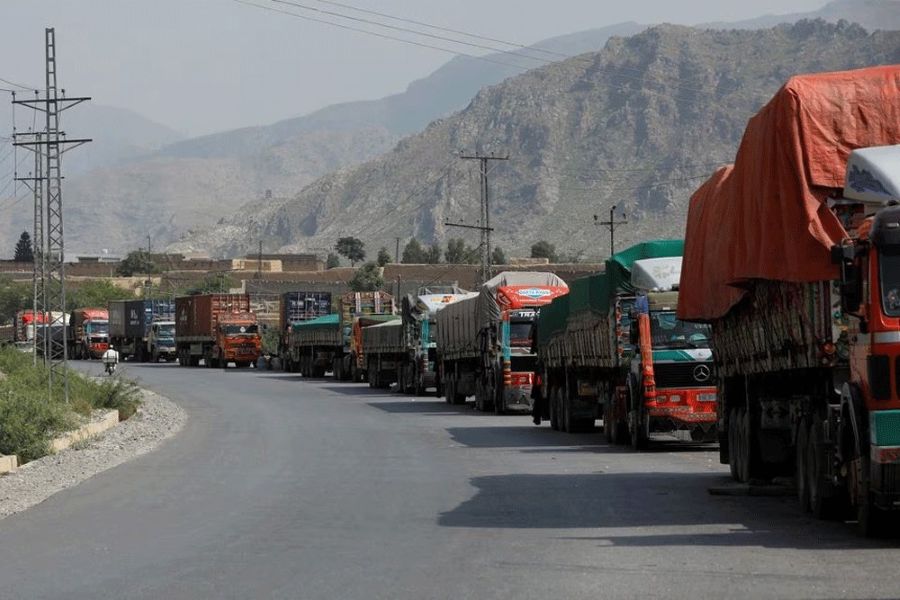
Pakistan’s pharmaceutical industry is facing a severe setback after the closure of the Torkham and Chaman borders disrupted medicine exports to Afghanistan for nearly three months. The suspension, which began in October 2025, has halted trucks carrying essential medicines, causing financial losses and raising doubts about the country’s ability to sustain its export growth.
Afghanistan is one of Pakistan’s largest markets for medicines, accounting for $150–200 million annually, or about 35% of Pakistan’s total pharmaceutical exports. Industry experts warn that the prolonged closure has not only disrupted cash flows but also jeopardized Pakistan’s chances of reaching the $1 billion export milestone in FY26.
Dr. Kaiser Waheed, former chairman of the Pakistan Pharmaceutical Manufacturers Association (PPMA), explained that Pakistan had been exporting a wide range of medicines to Afghanistan, including treatments for diabetes, hypertension, heart disease, depression, pain, and common infections. He noted that the absence of these supplies could create a healthcare crisis in Afghanistan while simultaneously eroding Pakistan’s market share.
Pakistan’s pharmaceutical exports had shown remarkable growth in FY25, reaching $457 million in overseas sales and securing fifth position among the fastest-growing export categories. When combined with exports of medical devices, surgical goods, nutraceuticals, and food supplements, the sector had achieved $909 million, just shy of the $1 billion mark.
The border closure, however, has forced firms to suspend operations, abandon infrastructure in Afghanistan, and rely on limited air shipments via weekly flights between Islamabad and Kabul. Meanwhile, competitors such as India, Iran, Bangladesh, and Russia are stepping in to fill the gap, establishing contracts to supply medicines to Afghanistan.
Industry leaders caution that regaining lost ground will be difficult. Registering medicines in new markets can take four to five years, making Afghanistan’s loss a significant blow to Pakistan’s pharmaceutical ambitions.
While national security concerns prompted the border closure, the economic consequences highlight the delicate balance between security and trade. For Pakistan’s pharmaceutical industry, the challenge now lies in diversifying markets, strengthening resilience, and ensuring that future disruptions do not derail its export potential.
Comments (0)
No comments yet. Be the first to comment!
Leave a Comment