

The Trump administration recently launched Operation Epic Fury against Iran from Washington. This major military campaign has sparked serious concerns about the long-term sustainability of the United States armed forces. Officials worry that the intense scale of this engagement will deplete vital resources. The conflict threatens to weaken American readiness for other global security challenges. Experts believe the consequences of this strategic decision will resonate for several years.
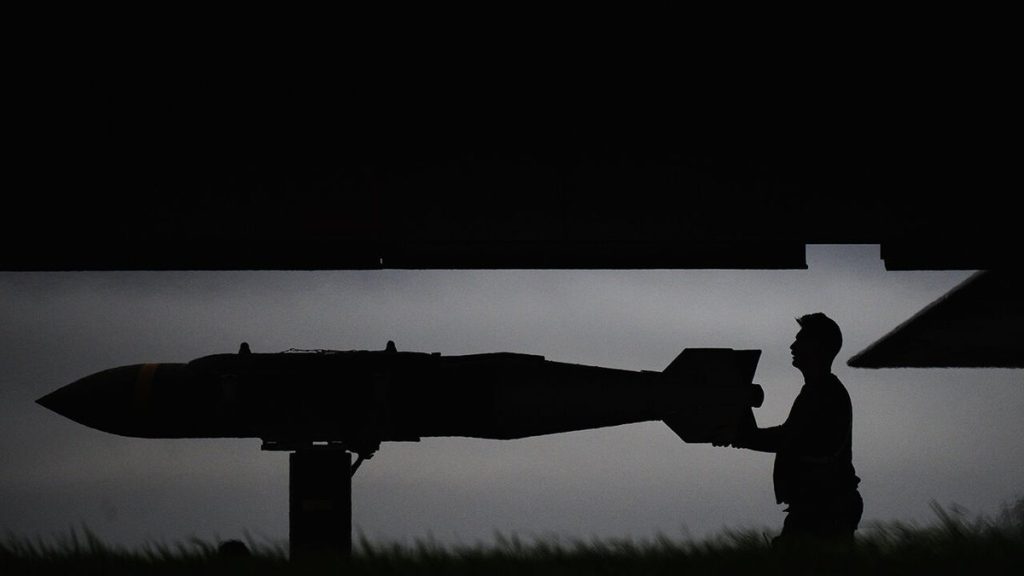
Military analysts report that the initial phase of the war involved an unprecedented use of advanced munitions. American forces reportedly deployed over 11,000 weapons during the first sixteen days of the operation. This surge represents the most intensive aerial campaign recorded in modern history. The sheer volume of ordnance used exceeds previous records from the NATO mission in Libya. Such rapid consumption of stockpiles places an immense burden on the national defense infrastructure.
Current leadership previously warned about the dangers of operating in a world of limited military supplies. Vice President J.D. Vance noted that the country lacks the capacity to support multiple regional wars simultaneously. Maintaining high production levels for missiles and shells remains a significant industrial challenge. The hardware used in Iran cannot be easily or quickly replaced by domestic factories. This scarcity forces difficult choices regarding which global theaters receive prioritized support and equipment.
The massive expenditure in the Middle East directly affects America’s ability to deter threats in East Asia. Strategists fear that depleted inventories will leave a vacuum that rivals might exploit. A prolonged engagement in Iran shifts focused attention away from critical maritime security issues near China. The military must now balance active combat needs with the necessity of maintaining a credible deterrent elsewhere. Many observers view this as a dangerous trade-off for long-term national security.
Economic factors also complicate the recovery of military strength as the campaign continues. High costs associated with the air war drain budgets intended for future technological research. Replacing sophisticated weaponry takes years of specialized labor and specific raw materials. These logistical bottlenecks mean that any current loss of hardware persists as a weakness. The damage to the readiness of the United States military may take a decade to fully repair.
Comments (0)
No comments yet. Be the first to comment!
Leave a Comment