

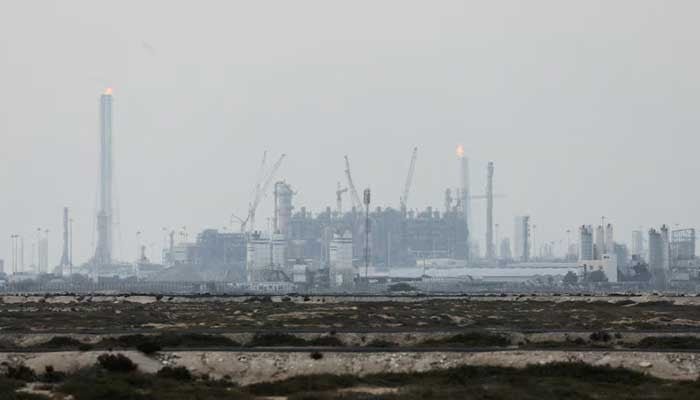
A recent military strike by Iran has severely crippled Qatar’s liquefied natural gas production, knocking out approximately 17 percent of the nation’s total output capacity. Energy analysts and industry experts warn that the damage to vital infrastructure is so extensive that it could take up to five years to fully restore operations. This sudden disruption represents a massive blow to the global energy market, as Qatar remains one of the world’s most significant exporters of chilled gas. The precision of the attack targeted key processing units that are notoriously difficult and time-consuming to replace or repair.
The financial consequences for the Gulf state are staggering, with projected losses reaching roughly 20 billion dollars in annual revenue. This fiscal hit comes at a time when the country was heavily investing in expanding its North Field projects to meet rising international demand. Executives at QatarEnergy have begun assessing the wreckage, but early reports suggest that the technical complexity of the damaged facilities will require specialized engineering teams from abroad. The loss of nearly one-fifth of their export capability will likely force the state-owned firm to declare force majeure on several long-term delivery contracts.
Global gas prices are expected to react sharply to this supply vacuum as European and Asian buyers scramble for alternative cargoes. Qatar has long been viewed as a reliable bedrock of the energy transition, providing a steady flow of fuel to nations moving away from coal. With such a significant portion of their capacity offline, the competition for remaining spot market volumes will intensify significantly. Middle Eastern geopolitical tensions have now directly collided with global energy security in a way that market participants have feared for decades.
Local authorities are currently working with international partners to secure the remaining assets and prevent further economic destabilization. While the immediate focus is on safety and containment, the long-term strategy involves a massive procurement effort for high-tech components currently in short supply. Industry insiders suggest that the five-year timeline is a conservative estimate given the current bottlenecks in global supply chains for specialized energy equipment. This timeline suggests a prolonged period of volatility for consumers who depend on Qatari exports for heating and industrial power.
As the situation develops, diplomatic efforts are expected to ramp up to prevent further escalations that could target additional energy hubs in the region. The international community is closely monitoring the repair schedule and any potential shifts in Qatari export priorities among its diverse customer base. For now, the global energy map has been fundamentally redrawn by a single night of kinetic action. Stakeholders are bracing for a half-decade of restricted supply and the inevitable economic ripples that follow such a massive disruption in the fuel trade.
Comments (0)
No comments yet. Be the first to comment!
Leave a Comment