

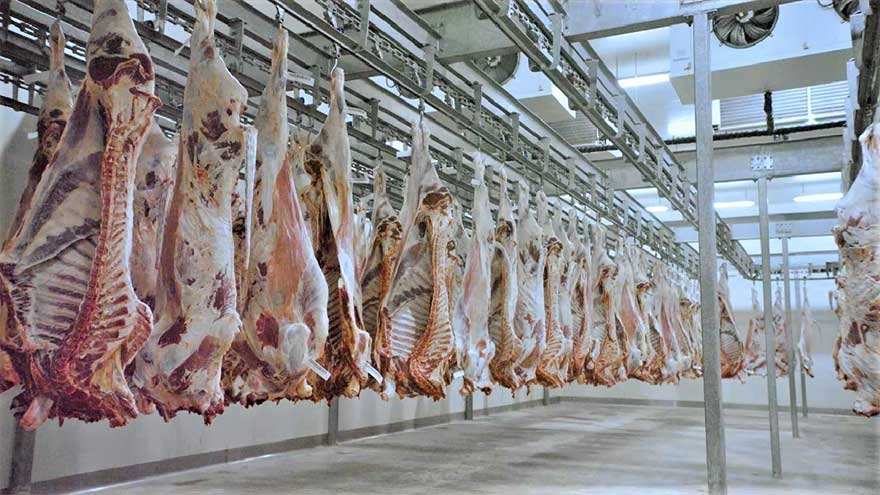
Pakistan meat exporters requested Prime Minister Shehbaz Sharif to intervene against new surcharges on Tuesday. A private logistics firm recently imposed an additional fee of fifty rupees per kilogram on meat shipments. Industry leaders argue this move threatens the stability of export operations and global market access. They believe these costs will disrupt the supply chain across several major international trade routes. The sector seeks immediate relief to maintain its current momentum in the global competitive landscape.
The All Pakistan Meat Exporters and Processors Association warned about the impact of these rising logistics costs. This new ad hoc charge totals approximately one hundred and eighty dollars per ton of exported goods. Such a sharp increase makes Pakistani products more expensive for foreign buyers in critical regions. Chairman Mian Abdul Hannan stated that international markets require predictable and rational pricing structures. Unilateral cost hikes undermine the credibility of the entire national export supply chain according to officials.
Pakistan produced six million metric tons of halal meat during the previous fiscal year. Official data shows a significant surplus remains available for international trade after meeting domestic needs. The country earned over five hundred million dollars from meat exports during the last financial period. This revenue came from global sales of beef, mutton, and various poultry products. Maintaining this growth requires a supportive environment for local processors and shipping companies alike.
The United Arab Emirates remains the primary destination for Pakistani meat reaching over two hundred million dollars. Saudi Arabia also showed impressive growth with a sixty-five percent increase in trade value recently. Other significant buyers include Kuwait, Qatar, Uzbekistan, and Vietnam as the market footprint expands. Newer markets like China and Kyrgyzstan are also becoming vital for the national economy. Exporters fear these new fees will erode their hard-won share in these competitive territories.
Government policy recently focused on a three-year action plan to boost the halal meat sector. Prime Minister Sharif previously approved measures to target high-value global markets through better quality standards. However, industry representatives believe high logistics fees will negate these strategic policy advantages. They urge the government to ensure that private service providers do not impose arbitrary financial burdens. Protecting the export sector remains crucial for the country’s broader economic recovery and foreign exchange reserves.
Comments (0)
No comments yet. Be the first to comment!
Leave a Comment