

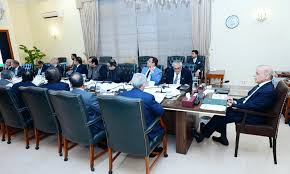
In a decisive move to stabilize the national energy landscape, Prime Minister Shehbaz Sharif has instructed the Ministry of Petroleum to take a more proactive role in resolving fuel supply chain bottlenecks. The directive comes amid heightened regional tensions and global market volatility, as the government seeks to shield the public from potential shortages and artificial price hikes.
Chairing a high-level review meeting at the PM House on Tuesday, the Prime Minister emphasized that ensuring the uninterrupted availability of petroleum products is a top priority. He mandated that all relevant departments remain in a state of high alert and maintain rigorous monitoring of national fuel reserves to detect and address any irregularities immediately.
Enhancing Monitoring and Public Accountability
The Prime Minister’s Office (PMO) revealed that the government is utilizing advanced tracking and intelligence tools to oversee the supply chain. Key measures highlighted during the meeting include:
- Active Surveillance: The Intelligence Bureau has been tasked with presenting regular monitoring reports to verify the implementation of austerity and supply measures.
- Tech-Driven Solutions: A new feature has been integrated into the “Pak App,” allowing citizens to report fuel shortages or overpricing in real-time. The Prime Minister assured that such reports would trigger immediate administrative action.
- Crackdown on Malpractices: Oil distribution companies have been strictly directed to sell fuel at government-approved rates. PM Sharif warned that any entities found involved in hoarding or creating artificial shortages would face severe legal consequences, including the revocation of licenses.
Stability Amid Global Uncertainty
Despite the ongoing conflict in the Middle East and its impact on international oil prices, the meeting was informed that Pakistan currently maintains an adequate stock of petroleum products. Finance Minister Muhammad Aurangzeb reassured the nation that the supply outlook remains stable, urging citizens to avoid panic buying or unnecessary stockpiling.
The government’s strategy also incorporates broad austerity measures. Cabinet members have voluntarily waived their salaries, and a significant reduction in fuel consumption across government departments is already yielding positive fiscal results. These savings are intended to provide much-needed relief to the common man during these challenging economic times.
Strategic Coordination for Energy Security
The Prime Minister underscored the importance of seamless coordination between refineries, oil marketing companies, and regulators. By streamlining imports and maintaining optimal refinery throughput, the government aims to safeguard domestic energy security.
Moving forward, the Ministry of Petroleum has been tasked with presenting actionable proposals to further modernize the distribution network and reduce the national import bill through efficient demand management.
Comments (0)
No comments yet. Be the first to comment!
Leave a Comment