

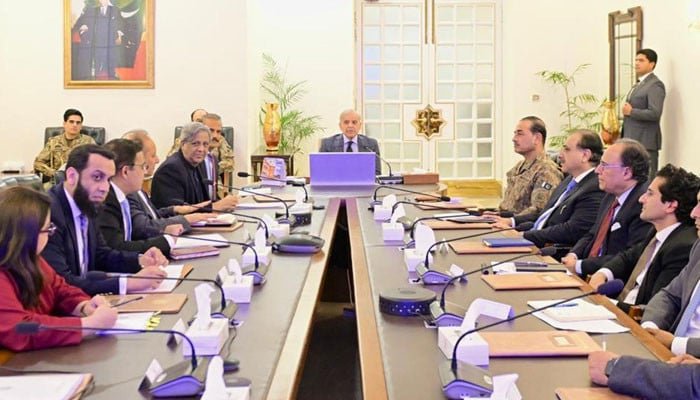
Prime Minister Shehbaz Sharif has instructed government officials to develop a comprehensive national strategy for fuel conservation as regional tensions in the Middle East threaten global energy stability. During a high-level meeting in Islamabad, the premier emphasized the need for immediate coordination between federal and provincial authorities to ensure the country is prepared for any sudden supply disruptions. This move comes as a response to the escalating conflict in the Gulf region, which often leads to volatile oil prices and shipping delays. The government aims to mitigate the impact on the local economy before any potential shortages occur.
The proposed plan focuses on reducing non-essential energy consumption across various sectors of the economy to build up national reserves. Officials have been tasked with identifying specific areas where electricity and fuel use can be scaled back without harming industrial productivity or daily civilian life. The Prime Minister stressed that being proactive is the only way to shield the public from international market shocks that are currently beyond their control. This initiative marks a shift toward defensive economic planning in the face of unpredictable global events.
Provincial governments are expected to play a major role in enforcing these new conservation guidelines once the final framework is approved. Local administrations will likely oversee changes to commercial operating hours and public transport schedules to optimize energy efficiency in major cities. By involving regional leaders early in the process, the federal government hopes to create a uniform response that prevents panic and ensures equitable distribution of resources. Clear communication with the business community will be essential to make these measures effective and sustainable over the coming months.
Energy experts suggest that Pakistan remains particularly vulnerable to price spikes because it relies heavily on imported petroleum products for both transport and electricity generation. Any prolonged closure or disruption of maritime trade routes in the Middle East could significantly increase the cost of doing business within Pakistan. The government is currently reviewing its strategic oil stocks to determine how long the country can operate under emergency conditions. This assessment will help determine the severity of the conservation measures that might be required in the near future.
Looking ahead, the cabinet is scheduled to meet again next week to review the detailed proposals submitted by the energy and petroleum divisions. These discussions will likely result in a formal set of directives for the public and private sectors regarding daily energy usage. While the immediate focus remains on short-term stability, officials are also considering how these conservation habits might benefit the national budget in the long run. For now, the administration is keeping a close watch on international developments to adjust its domestic energy policy accordingly.
Comments (0)
No comments yet. Be the first to comment!
Leave a Comment