

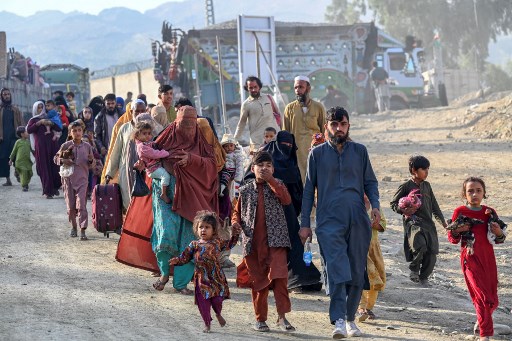
Pakistan has officially started the repatriation of registered Afghan refugees from Islamabad and Rawalpindi, marking a significant phase in its broader policy of managing foreign nationals residing in the country. The move comes as part of the government’s strategy to regulate migration, address security concerns, and ensure proper documentation of all foreign residents.
Government’s Repatriation Plan
Authorities have begun the systematic relocation of Afghan refugees who hold Proof of Registration (PoR) cards. Special repatriation centers have been set up to facilitate safe departures, and refugees are being assisted with travel arrangements to Afghanistan.
Key aspects of the repatriation process include:
- Initial focus on Islamabad & Rawalpindi, with plans to expand nationwide.
- Collaboration with the UNHCR to ensure a smooth transition for returning refugees.
- Monitoring of the Afghan border to regulate re-entries and prevent illegal crossings.
Challenges & Concerns of Refugees
Many Afghan refugees have lived in Pakistan for decades, establishing businesses, jobs, and families. Concerns about safety, employment opportunities, and resettlement challenges in Afghanistan remain significant.
Some of the key concerns raised include:
- Uncertain future in Afghanistan due to ongoing economic and security issues.
- Children’s education disruption, as many refugees are enrolled in Pakistani schools.
- Loss of livelihood, as many refugees own businesses or work in Pakistan.
International Reactions & Assistance
The United Nations High Commissioner for Refugees (UNHCR) and other humanitarian organizations are closely monitoring the situation, urging Pakistan to ensure that repatriation remains voluntary and dignified. Some countries have also called for alternative solutions, such as integrating long-term Afghan residents into Pakistani society.
What’s Next?
Pakistan plans to continue its phased repatriation strategy, gradually extending the process to other major cities. With thousands of registered Afghan refugees still residing in Pakistan, the coming months will be crucial in determining the effectiveness and humanitarian impact of this policy.
Comments (0)
No comments yet. Be the first to comment!
Leave a Comment