

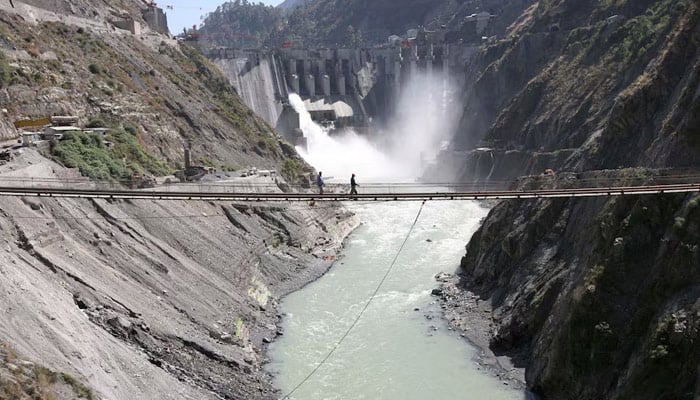
India’s Alleged Violation of the Indus Waters Treaty and Chenab River Manipulation
Fresh tensions have erupted between India and Pakistan after reports claimed that India has once again manipulated the flows of the Chenab River, violating the Indus Waters Treaty (IWT). The Chenab, a critical water source for Pakistan’s agriculture, has become the latest flashpoint in the decades‑long water dispute between the two nations.
According to Pakistani officials, India has reduced Chenab flows by diverting water through upstream projects. This move has raised alarms in Islamabad, where policymakers argue that such actions undermine the spirit of the IWT, signed in 1960 to regulate water sharing between the two countries.
The Chenab River is vital for Pakistan’s irrigation system, particularly in Punjab, where millions of farmers depend on its waters. Any disruption in flows directly impacts crop yields, food security, and rural livelihoods. Officials warn that India’s manipulation could lead to severe shortages during peak agricultural seasons.
Experts note that India has previously been accused of similar violations, often linked to the construction of hydroelectric projects on western rivers allocated to Pakistan under the treaty. While India insists these projects comply with IWT provisions, Pakistan argues that the cumulative effect of such diversions amounts to treaty breaches.
The latest incident has reignited fears of a “water war” in South Asia. Analysts caution that water disputes, if left unresolved, could escalate into broader geopolitical tensions between the nuclear‑armed neighbors.
Pakistan’s government has vowed to raise the issue at international forums, urging global powers to intervene and ensure compliance with the treaty. Officials emphasize that water security is not just a bilateral matter but a regional stability concern.
The Chenab controversy underscores the fragile nature of the Indus Waters Treaty. While the agreement has survived multiple wars and political crises, recurring disputes highlight the need for stronger mechanisms to address emerging challenges such as climate change, rising demand, and upstream development.
For Pakistan, safeguarding Chenab flows is essential to protecting its agricultural backbone. For India, balancing energy needs with treaty obligations remains a pressing challenge. The unfolding situation will test the resilience of one of the world’s most significant water‑sharing agreements.
Comments (0)
No comments yet. Be the first to comment!
Leave a Comment