
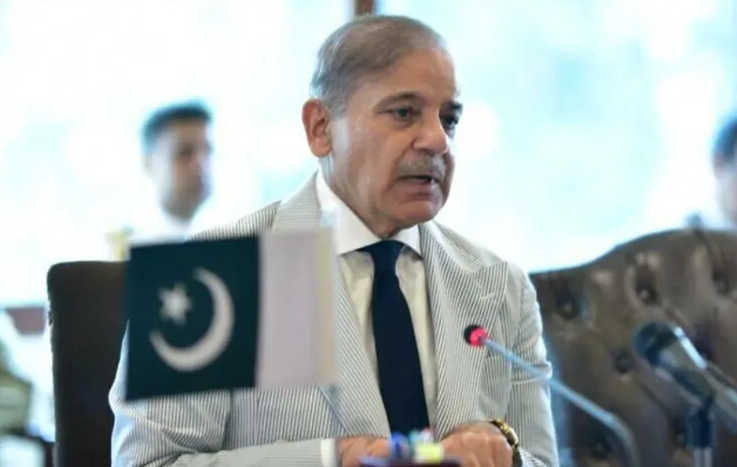
Prime Minister Shehbaz Sharif held a telephonic conversation with Iranian President Masoud Pezeshkian, during which both leaders discussed ongoing regional hostilities and efforts to restore peace. The conversation lasted for an hour and focused on the evolving situation in the region, with the prime minister reiterating Pakistan’s strong condemnation of continued Israeli attacks on Iran. He also expressed solidarity with the Iranian people and conveyed condolences over the loss of more than 1,900 lives.
The recent strikes on civilian infrastructure have caused significant outrage in Pakistan, which has been calling for an end to these attacks for some time now. The prime minister assured President Pezeshkian that Pakistan would continue to play an active role in efforts to ensure peace and stability in the region. He also highlighted Pakistan’s diplomatic outreach involving himself, Ishaq Dar, and Syed Asim Munir. This initiative aims to engage the United States, Gulf nations, and other Islamic countries to create a conducive environment for peace talks.
Pakistan has been a vocal critic of Israeli aggression in recent months, with the prime minister reiterating his country’s opposition to such attacks. President Pezeshkian also praised Pakistan’s constructive role in promoting peace, which has not gone unnoticed by regional players. The Iranian president shared Iran’s perspective on the situation, stressing the need to build trust to facilitate dialogue and mediation.
The conversation was seen as a significant step forward in efforts to ease tensions between the two nations. Both leaders acknowledged the importance of dialogue and cooperation in resolving the ongoing conflicts in the region. They also expressed hope for a collective path towards ending hostilities, which could potentially pave the way for a more peaceful future.
With the peace initiative gaining momentum, Pakistan is likely to continue its diplomatic efforts in the coming days. The prime minister’s assurance that his country would remain committed to promoting peace and stability has been well-received by regional players. As the situation continues to unfold, it remains to be seen how these efforts will impact the regional landscape.
Comments (0)
No comments yet. Be the first to comment!
Leave a Comment