
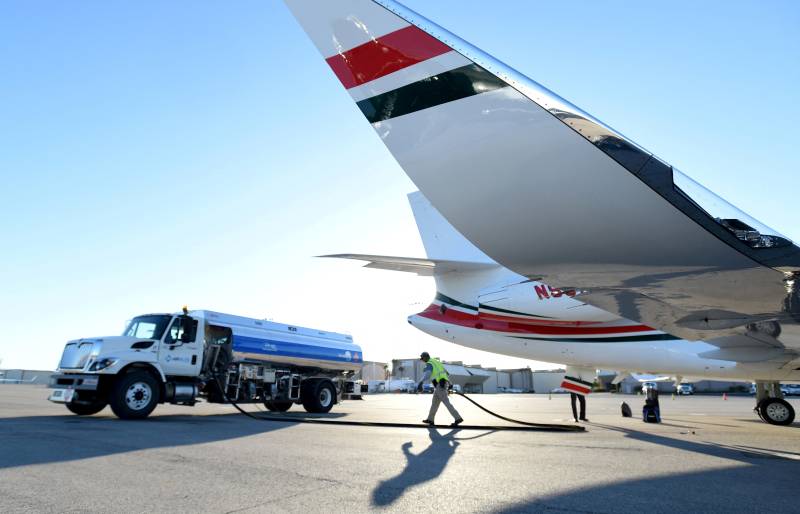
Jet fuel prices in Pakistan have surged sharply, rising by Rs84 per litre to reach a record Rs472 per litre, reports show. This is the fourth upward revision in jet fuel (JP-1) prices since the beginning of March. The latest increase marks a staggering jump of around Rs282 since March 1, when the price stood at Rs190 per litre. Industry experts warn that airfares are likely to increase further as carriers pass on the additional burden to passengers.
Airlines are facing mounting operational costs, raising concerns about flight sustainability amidst the surge in jet fuel prices. This is a worrying trend for the aviation sector, which has already seen its fair share of challenges in recent years. The increased cost of jet fuel will have a ripple effect on airline operations and ultimately, the passengers who rely on air travel. With airfares set to rise even higher, Pakistanis may be in for some expensive flights.
The surge comes amid broader increases in petroleum prices, with petrol now priced at Rs321.17 per litre after a recent hike of Rs55 per litre. Diesel has also risen sharply, reaching Rs335.86 per litre. These price hikes are largely driven by global oil price volatility and the escalating tensions in the Middle East.
A sharp rise in global oil prices has led to these increases, according to Ishaq Dar. The situation intensified after an attack on Iran, with the conflict expanding in recent days and impacting international markets. Pakistan is now at the receiving end of this turmoil, facing significant economic pressures as a result.
The government’s decision to increase jet fuel prices has been met with concerns about its impact on airline operations and the economy. With the situation still unfolding, one thing is certain: the increased cost of jet fuel will have far-reaching consequences for Pakistan’s aviation sector and passengers alike.
Comments (0)
No comments yet. Be the first to comment!
Leave a Comment