

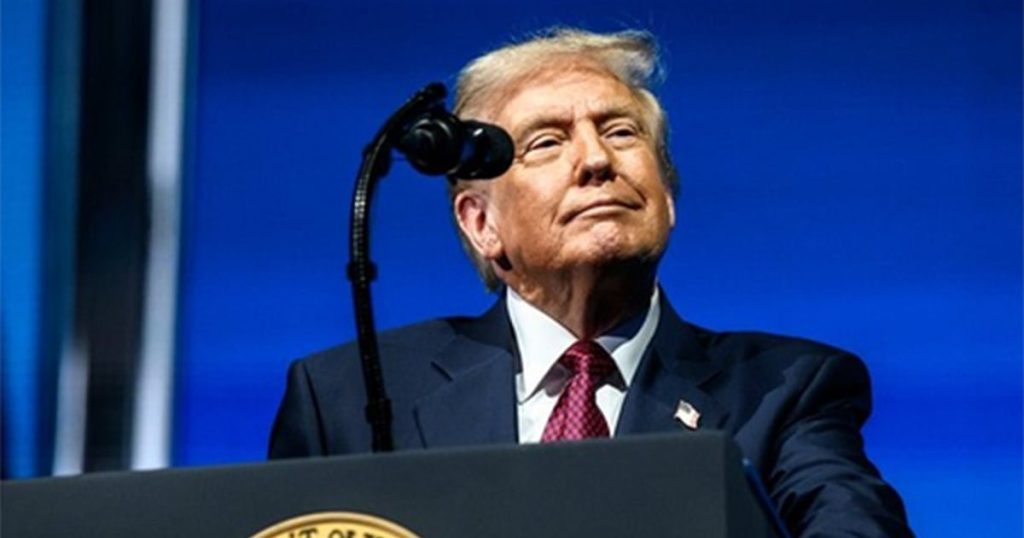
A senior US intelligence official resigned on March 17, citing his inability to support the ongoing conflict in West Asia, which he believes is driven by Israeli pressure rather than an imminent threat from Iran. Joe Kent, director of the National Counterterrorism Center, announced his departure on social media, stating his disagreement with the policy direction. This unexpected move has amplified internal divisions within the Trump administration and raised questions about the rationale behind the escalating tensions in the region.
Kent’s public dissent suggests that privately held reservations about the conflict are now coming to the forefront. While Vice President JD Vance has publicly backed President Trump, his own potential presidential aspirations might complicate his ability to distance himself from this controversial foreign policy. Kent, a known supporter of Trump and the ‘Make America Great Again’ movement, joins a growing list of prominent figures distancing themselves from the administration’s actions.
The resignation follows a pattern of growing internal discord, highlighted earlier by Elon Musk’s departure from a government advisory role. These public disagreements are becoming increasingly visible, threatening to erode public confidence and potentially influence upcoming political decisions. The administration faces mounting pressure to provide clearer justifications for its involvement in the West Asian conflict.
President Trump recently asserted that no intelligence indicated Iran would target its Arab neighbors in response to potential attacks from the US or Israel. However, observers remain skeptical, pointing out the presence of US military bases in the region as a potential catalyst for escalation. The administration’s narrative appears to be challenged by dissenting voices within its own ranks.
This internal strife and the nuanced regional dynamics create a complex political landscape for President Trump. As the conflict in West Asia continues, the administration’s handling of the situation and its internal coherence will be closely scrutinized. The ramifications of these policy disagreements could significantly shape public opinion and future electoral outcomes.
Comments (0)
No comments yet. Be the first to comment!
Leave a Comment