

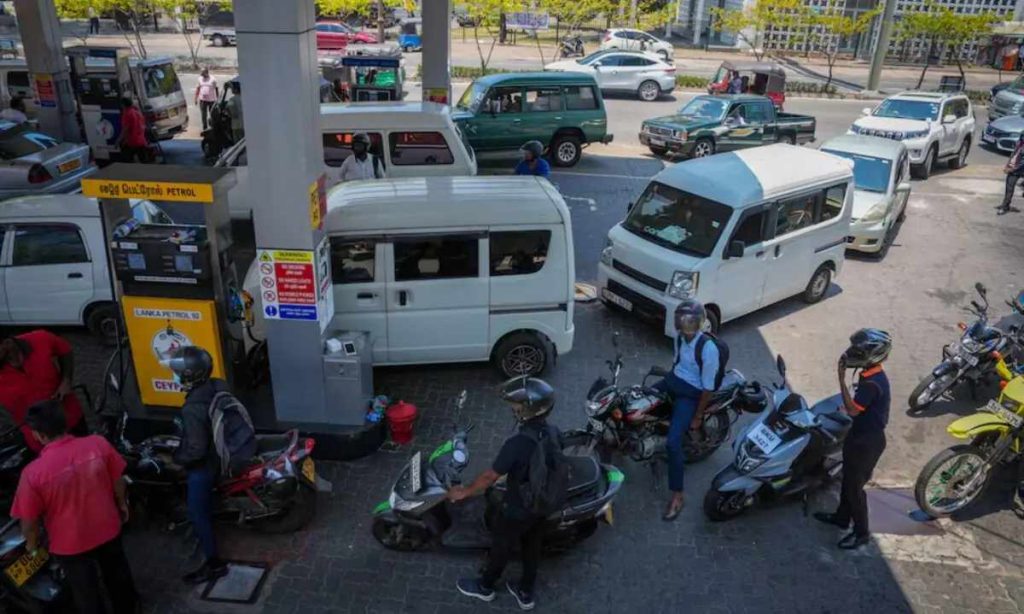
Sri Lanka significantly increased fuel prices on Sunday, marking the second hike in just two weeks. This move comes as the island nation braces for further economic repercussions from the ongoing war in the Middle East. The price of regular petrol has climbed to 398 rupees per liter, a substantial jump from its previous price of 317 rupees. Diesel, a critical fuel for public transportation, also saw a sharp rise, increasing by 79 rupees to reach 382 rupees per liter.
Just last week, the government had already implemented an eight percent increase in retail fuel prices and introduced rationing measures to curb consumption. Officials at the Ceylon Petroleum Corporation expressed hope that this latest price adjustment would lead to a 15 to 20 percent reduction in overall fuel usage. These decisions are being made in anticipation of potential long-term impacts on the country’s energy supplies as advised by President Anura Kumara Dissanayake.
The President has taken proactive steps to mitigate the effects of a protracted Middle East conflict by instituting a four-day work week starting last Wednesday. He also urged employers to reinstate remote work arrangements wherever feasible, recognizing the potential disruptions to energy and trade routes. These measures are a direct response to the escalating geopolitical tensions that threaten global energy security.
The Strait of Hormuz, a vital chokepoint for global oil exports, has become effectively impassable due to the ongoing conflict. This situation is particularly concerning for Sri Lanka, which relies entirely on imports for its oil and coal used in electricity generation. The country procures refined petroleum products from East Asian nations and crude oil from the Middle East for its refinery.
These developments add another layer of challenge to Sri Lanka’s ongoing recovery from its severe economic crisis in 2022. The government has cautioned that prolonged instability in the Middle East could jeopardize its efforts to stabilize the economy and emerge from last year’s default on its $46 billion foreign debt. The nation is still working through a $2.9 billion bailout package secured from the International Monetary Fund.
Comments (0)
No comments yet. Be the first to comment!
Leave a Comment