

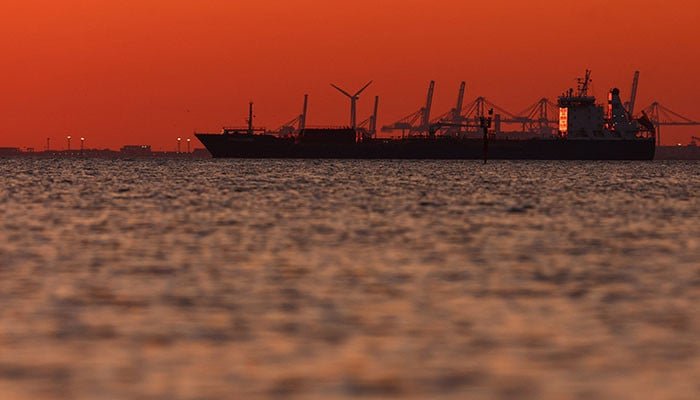
The United States government has issued a temporary waiver on sanctions specifically targeting Iranian crude oil that is currently being transported across international waters. This decision allows for the delivery and subsequent sale of oil that was loaded onto vessels prior to a late March deadline. Officials clarified that the authorization is intended to clear the backlog of shipments already in transit rather than signaling a broader shift in foreign policy. The window for these specific transactions is scheduled to remain open through the end of April.
Energy markets have closely monitored the movement of these tankers as global supply chains continue to face various geopolitical pressures. By granting this limited permission, the administration is providing a legal pathway for buyers to receive cargo that began its journey several weeks ago. This move prevents a situation where ships are stuck at sea with no legal destination for their volatile cargo. It also helps stabilize short-term supply expectations for refineries that may have been expecting these specific deliveries.
The technical nature of the waiver focuses strictly on oil that was physically loaded onto ships before March 20 of this year. This means any new loading activities remain strictly prohibited under the existing sanctions regime that targets Iran’s energy sector. Financial institutions and shipping companies can now process payments and logistics for these specific shipments without the fear of facing secondary sanctions from American regulators. This clarity is essential for the complex web of maritime insurance and banking that governs the global oil trade.
The move comes at a time when energy prices remain a sensitive topic for both domestic and international economies. While the volume of oil covered by this waiver is relatively small compared to total global output, every shipment matters in a tight market. Critics and supporters alike are looking at how this grace period might influence broader negotiations regarding regional security and trade. The administration has emphasized that this is a logistical necessity to handle existing goods rather than a permanent easing of economic pressure.
As the April deadline approaches, shipping companies are expected to move quickly to offload their cargo and finalize all related financial transactions. Once the temporary period expires, the full weight of the previous restrictions will snap back into place for any remaining Iranian energy exports. Market analysts are now watching to see if all the affected tankers can reach their destinations in time to meet the narrow window. The outcome will likely determine how the US manages similar maritime enforcement challenges in the coming months.
Comments (0)
No comments yet. Be the first to comment!
Leave a Comment