

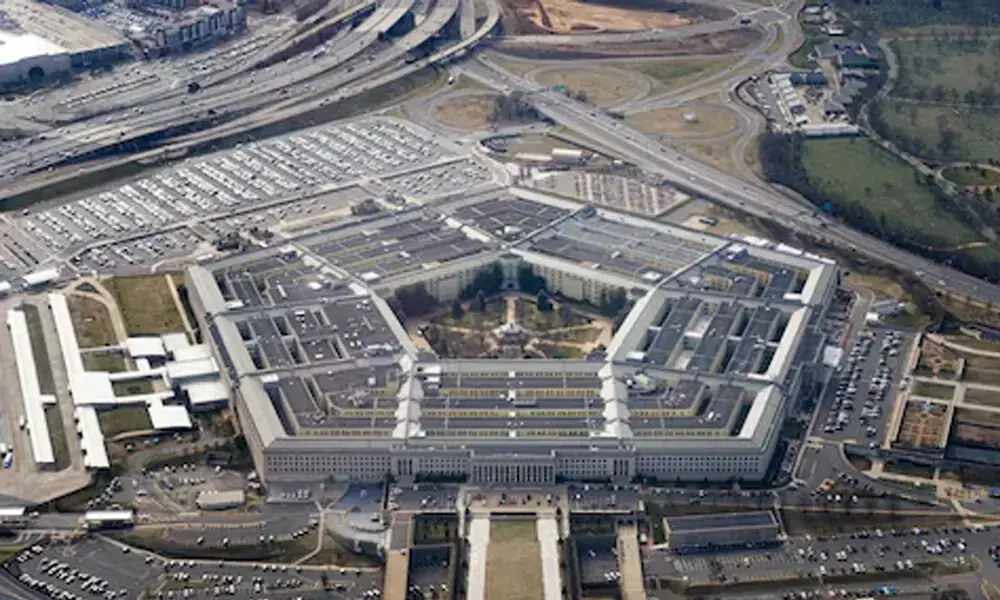
A federal judge in Washington D.C. has blocked a restrictive Pentagon policy that threatened to label journalists as security risks for seeking unauthorized information. This decision follows a legal challenge brought by the New York Times, which argued that the Defense Department was violating constitutional rights to free speech and due process. The court found that the government’s attempt to tighten its grip on information went beyond reasonable security measures and effectively stifled independent reporting. This ruling arrives at a time when military actions in several foreign regions have increased the need for public transparency and accountability.
Judge Paul Friedman acknowledged the government’s duty to protect troop safety and sensitive war plans but maintained that the public interest remains paramount. He noted that during periods of active military engagement, it is more essential than ever for citizens to receive information from a variety of independent perspectives. The court expressed concern that the policy gave the administration too much power to freeze out critical reporters. By allowing the military to decide who is a risk based on their reporting style, the policy created a dangerous precedent for government censorship.
The legal battle centered on policy changes introduced in late 2025 under Defense Secretary Pete Hegseth, which sought to redefine the relationship between the military and the media. Under these rules, reporters faced the loss of their credentials if they contacted military personnel for any information not officially cleared for public release. The New York Times argued that these measures were specifically designed to punish news outlets for coverage that the administration found unflattering. This led to a standoff where most established media organizations refused to sign on to the new terms.
Data from the lawsuit revealed that out of dozens of news organizations in the Pentagon Press Association, nearly all chose to surrender their press passes rather than comply with the new rules. This mass exit led the Pentagon to form a new press corps largely composed of friendly media personalities and outlets supportive of the current administration. Critics argued this was a deliberate effort to create an echo chamber and remove seasoned investigative journalists from the building. The judge’s decision suggests that such a selective approach to press access cannot be justified under the guise of national security concerns.
Government officials have already voiced their disagreement with the ruling and intend to file an immediate appeal to keep the restrictions in place. Meanwhile, media advocates are celebrating the decision as a victory for the public’s right to know how tax dollars are being spent on military operations. The case will likely move to a higher court as the administration continues to defend its authority to manage information flow. For now, the ruling serves as a temporary shield for reporters attempting to cover the defense department without fear of being branded enemies of the state.
Comments (0)
No comments yet. Be the first to comment!
Leave a Comment