

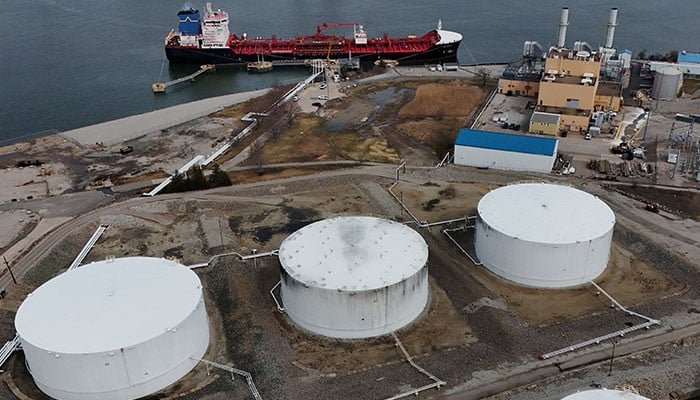
Iranian officials issued warnings to Gulf nations on Tuesday regarding potential retaliatory strikes on regional oil and gas installations. These threats follow recent Israeli military actions targeting critical energy infrastructure within Iran. The Iranian government claims it will hold neighboring states responsible for any further escalation. Security analysts express deep concern over the stability of global energy markets during this period. The regional tension continues to grow as both sides prepare for further military engagement.
Tehran specifically warned that any assistance provided to Israel would result in immediate consequences for regional neighbors. The Iranian military highlighted the vulnerability of large oil refineries and gas processing plants across the Persian Gulf. These facilities serve as the backbone of the global energy supply chain. Experts believe a disruption in these areas could cause a significant spike in crude oil prices. Gulf nations are now increasing security measures at their most sensitive industrial sites.
Israel previously conducted precision strikes on Iranian power plants and fuel depots to degrade military capabilities. Government officials in Jerusalem stated these actions were necessary for national defense. Iran responded by mobilizing its missile units and drone fleets near strategic coastal bases. The international community has called for immediate restraint to avoid a broader regional conflict. Diplomatic channels remain open but have yet to produce a formal de-escalation agreement.
The threat includes potential maritime blockades near the Strait of Hormuz. This narrow waterway facilitates the transit of one fifth of the world’s total oil consumption. Any military action in this area involves high risks for global shipping companies. Insurance rates for tankers operating in the region have already started to climb. Military observers are monitoring Iranian naval movements for signs of an imminent deployment.
United States officials are working closely with regional partners to bolster defensive capabilities. The Pentagon has deployed additional air defense systems to protect critical infrastructure in the Gulf. These measures aim to deter Iranian aggression and ensure the free flow of commerce. Meanwhile, the United Nations has urged all parties to prioritize the protection of civilian infrastructure. The situation remains highly volatile as intelligence reports suggest more strikes may occur soon.
Comments (0)
No comments yet. Be the first to comment!
Leave a Comment