

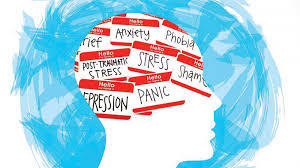
Pakistan’s Mental Health Reform: A National Imperative
Mental health is no longer a peripheral issue—it has become one of the defining public health and development challenges of the 21st century. Governments worldwide are recognizing that mental well-being is not just about healthcare; it is deeply connected to economic productivity, human rights, and social stability.
In Pakistan, a consultative review of mental health legislation is underway, led by the Mental Health Strategic Planning & Coordination Unit at the Ministry of Planning, Development & Special Initiatives. This initiative brings together experts from health departments, law, human rights, and public policy, signaling a shift toward a whole-of-government approach.
The urgency is clear. Global health assessments show that more than one billion people live with mental health disorders. Anxiety affects nearly 359 million individuals worldwide, while depression is among the leading causes of disability. In Pakistan, an estimated 24 million people require psychiatric assistance, yet the country has fewer than one psychiatrist per 100,000 citizens.
Gender disparities add another layer of complexity. Women are disproportionately affected by depression and anxiety, while men often struggle with substance abuse and face cultural barriers to seeking help. These realities highlight the need for a rights-based framework that ensures dignity, autonomy, and equal access to care.
Pakistan’s current legal framework, rooted in the Mental Health Ordinance of 2001, is outdated and fragmented. Provincial laws introduced after the 18th Amendment have struggled with weak enforcement and limited resources. Importantly, these laws predate the global shift toward recognizing individuals with mental health conditions as rights-holders, as outlined in the UN Convention on the Rights of Persons with Disabilities (CRPD).
The ongoing legislative review, guided by WHO–OHCHR recommendations, aims to close these gaps. It emphasizes informed consent, protection against discrimination, community-based care, and safeguards against involuntary detention. By aligning with international standards, Pakistan can build a more coherent and responsive system.
Beyond legislation, mental health reform must address stigma. Many individuals avoid seeking help due to fear of judgment, relying instead on informal or unregulated sources. Legal frameworks can support awareness campaigns and professional standards that gradually reshape societal attitudes.
Ultimately, this reform is about more than healthcare—it is about national resilience. Untreated mental health conditions weaken workforce participation, increase healthcare costs, and undermine social cohesion. By modernizing its governance framework, Pakistan has the opportunity to place mental well-being at the heart of its development agenda, ensuring that mental health is treated not as a neglected issue but as a national priority.
Comments (0)
No comments yet. Be the first to comment!
Leave a Comment