

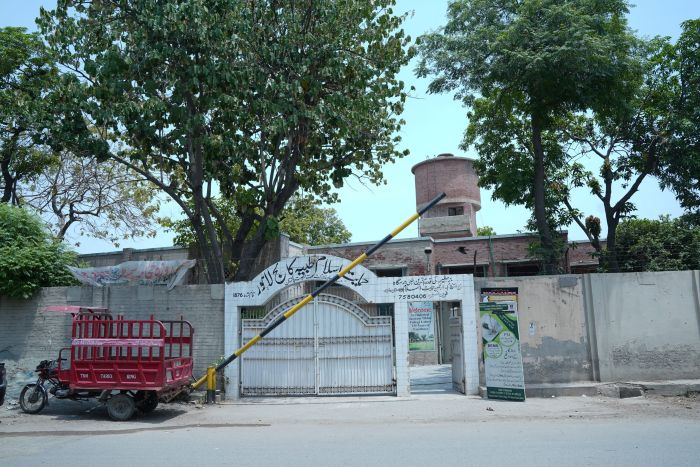
Traditional Medicine Faces Challenges in Pakistan’s Healthcare Landscape
The future of Tibb colleges and traditional healers in Pakistan is under serious threat as government reforms propose merging the National Council for Tibb with the Homeopathic Council. This restructuring, part of a rightsizing plan, could result in the closure of institutions and jeopardize the livelihoods of thousands of practitioners.
Students pursuing the Fazil-i-Tibb-wal-Jarahat degree now face uncertainty about the recognition of their qualifications. Many chose Unani medicine for its holistic approach and cultural roots, but the proposed merger has left them questioning whether their education will hold value in the years ahead.
Principals of leading Tibb colleges have revealed that they were instructed not to admit new students for the upcoming session. Once current batches graduate, these colleges may be shut down, leaving the future of more than 70,000 practicing hakeems in limbo.
Supporters of traditional medicine argue that hakeems play a vital role in rural areas where MBBS doctors are often unavailable. They believe dismantling Tibb institutions would weaken healthcare access for communities that rely heavily on herbal and Unani treatments.
Critics of the reform highlight that the draft bill lacks a saving clause to protect existing students and practitioners. Without legal safeguards, the credibility of Tibb qualifications could be undermined, affecting both careers and patient trust.
This debate reflects a broader struggle between modern and traditional healthcare systems in Pakistan. While reforms aim to streamline regulation, they risk sidelining centuries-old practices that remain deeply embedded in cultural heritage and community health.
The government’s final decision will determine whether Tibb colleges and traditional healers continue to thrive as part of Pakistan’s healthcare framework or face an uncertain future.
Comments (0)
No comments yet. Be the first to comment!
Leave a Comment