

Impact of Net Billing Policy on Solar Consumers
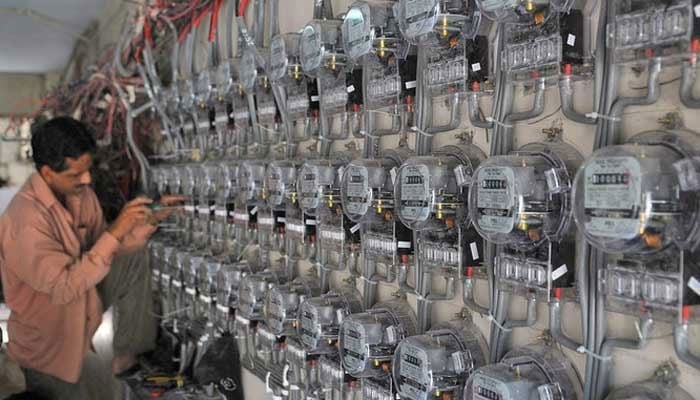
Pakistan’s government has confirmed a major policy shift in its renewable energy framework. The existing net metering system, which allowed solar consumers to balance imported and exported electricity at retail rates, will be replaced with a net billing policy.
Under the new rules, households and businesses will pay the full national tariff for electricity they import from the grid. However, the solar energy they export back will be credited at a lower differential rate. This change significantly reduces the financial benefits that rooftop solar owners previously enjoyed.
Officials argue that the move is necessary to recover infrastructure costs and ease the financial burden on distribution companies (DISCOs). They believe net billing will create a fairer system by ensuring all consumers contribute to grid maintenance.
For solar users, the shift means slower returns on investment and reduced savings. Many fear this could discourage future adoption of renewable energy, undermining Pakistan’s progress toward clean energy goals.
The timing of the announcement has raised concerns among investors and households who committed to solar installations under the promise of net metering. Critics warn that sudden regulatory changes risk damaging confidence in the renewable energy sector.
Despite these concerns, the government insists that the new policy will strengthen grid sustainability and balance costs across the energy system. The debate highlights the challenge of promoting renewable energy while maintaining financial stability in Pakistan’s power sector.
In essence, the transition from net metering to net billing marks a turning point for Pakistan’s solar energy landscape. While it may stabilize the grid, it also reshapes the incentives driving renewable energy adoption nationwide.
Comments (0)
No comments yet. Be the first to comment!
Leave a Comment