

Pakistan’s Call for Water Security at the UN
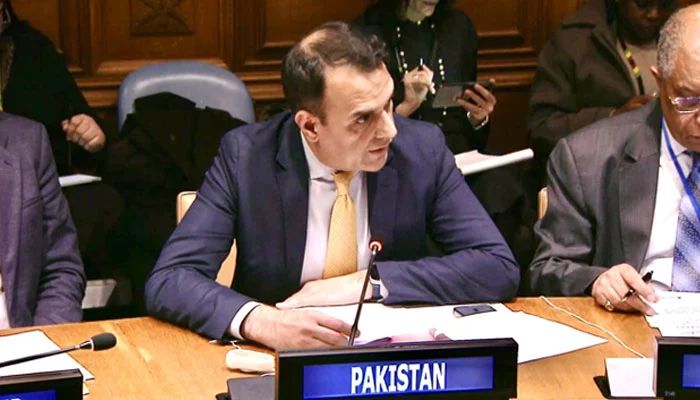
Pakistan has raised serious concerns at the United Nations over India’s decision to suspend the Indus Waters Treaty (IWT). Speaking at the Global Water Bankruptcy Policy Roundtable in New York, Ambassador Usman Jadoon, Pakistan’s Acting Permanent Representative to the UN, warned that such unilateral actions could destabilize the region and endanger millions who rely on the Indus River system.
The Indus Waters Treaty, signed in 1960, has long been considered a cornerstone of water-sharing between India and Pakistan. Jadoon emphasized that the treaty cannot be suspended or modified unilaterally, as it remains legally binding under international law. He described India’s move as an attempt to “weaponize water,” a step that could have devastating consequences for both nations.
Highlighting the urgency of the issue, Pakistan stressed that water security is directly linked to food security. With agriculture heavily dependent on the Indus River, any disruption in water flow could severely impact crop production, livelihoods, and food supplies. Jadoon noted that systemic water risks cannot be managed by any single country and require collective global action.
Pakistan urged the international community to uphold established water laws and prevent unilateral actions that undermine regional cooperation. The envoy called for respect of international agreements, warning that ignoring them could set a dangerous precedent for other transboundary water disputes worldwide.
The statement comes ahead of the UN Water Conference 2026, where Pakistan is expected to push for stronger global frameworks to safeguard shared water resources. By raising the issue at such a high-profile forum, Islamabad aims to draw attention to the critical link between water governance, peace, and sustainable development.
In conclusion, Pakistan’s message was clear: water must remain a shared resource, not a tool of conflict. The suspension of the Indus Waters Treaty threatens not only Pakistan’s water and food security but also the stability of South Asia as a whole.
Comments (0)
No comments yet. Be the first to comment!
Leave a Comment