

Government’s Petroleum Levy Hike Leaves Consumers Struggling
The federal government has announced an increase in the petroleum levy on petrol, high-speed diesel (HSD), and high-octane blending component (HOBC). While international oil prices have dropped, this adjustment means consumers will not see any reduction at the pump.
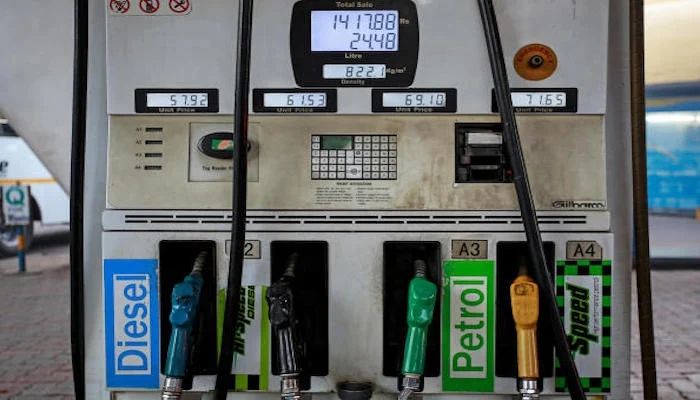
Petrol prices remain fixed at Rs253.17 per litre, while HSD continues at Rs257.08 per litre. However, the levy on petrol has been raised by Rs4.62 per litre, and diesel has seen an increase of Rs0.80 per litre. The levy on HOBC has also gone up by Rs4.62 per litre, bringing the total petroleum levy on petrol and HOBC to Rs84.27 per litre.
This decision effectively cancels out the potential relief consumers might have enjoyed from lower global oil prices. Instead, the government has chosen to prioritize revenue generation, citing fiscal challenges and the need to meet budgetary targets.
The move comes at a time when inflation is already squeezing household budgets. For many families, fuel costs directly impact transportation, food prices, and overall living expenses. By raising levies, the government has added another layer of financial pressure on citizens.
Officials argue that the increase is necessary to bridge revenue shortfalls. The Federal Board of Revenue (FBR) has struggled to meet its tax collection targets, falling short by hundreds of billions of rupees in the first half of the fiscal year. The petroleum levy, therefore, has become a critical tool to generate additional income.
Economists warn that while this strategy may help the government’s finances in the short term, it risks fueling public frustration and slowing economic activity. Businesses dependent on fuel for logistics and operations are likely to face higher costs, which could eventually be passed on to consumers.
For now, the unchanged fuel prices mask the reality: consumers are paying more through hidden levies, and the expected relief from declining international oil prices has been denied.
Comments (0)
No comments yet. Be the first to comment!
Leave a Comment