

Pakistan’s $730 Million Push for Energy and Enterprise Transformation
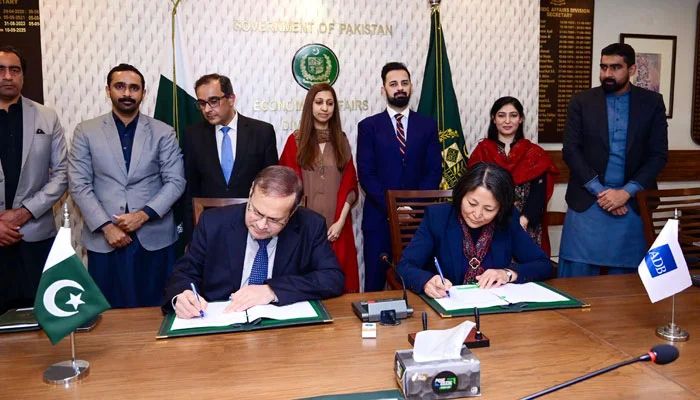
Pakistan has taken a major step toward strengthening its economy and energy sector by signing two landmark agreements with the Asian Development Bank (ADB). Valued at a combined $730 million, these projects are designed to modernize the country’s power infrastructure and accelerate reforms in state-owned enterprises (SOEs).
The first initiative, the Second Power Transmission Strengthening Project, is backed by $330 million. This project will enable the reliable evacuation of nearly 2,300 megawatts of electricity from upcoming hydropower plants. By easing the burden on overloaded transmission lines, it will enhance the resilience of Pakistan’s national grid and ensure a more stable supply of affordable energy.
The second agreement, worth $400 million, focuses on the Accelerating State-Owned Enterprise Transformation Programme. This reform package aims to improve governance, efficiency, and accountability across Pakistan’s SOEs. By restructuring these institutions, the government hopes to reduce financial losses, attract investment, and create a more competitive business environment.
Officials from the Ministry of Economic Affairs highlighted that these agreements reflect ADB’s long-standing commitment to Pakistan’s sustainable development. They emphasized that the projects will not only strengthen energy reliability but also drive inclusive economic growth by modernizing critical infrastructure and reforming public institutions.
ADB representatives echoed this sentiment, noting that the funding aligns with the bank’s mission to support clean energy adoption and institutional transformation. With Pakistan’s growing demand for electricity and the urgent need for governance reforms, these agreements mark a pivotal moment in the country’s development journey.
By combining infrastructure investment with institutional reform, Pakistan is positioning itself for a future of greater energy security, stronger economic performance, and improved public sector efficiency.
Comments (0)
No comments yet. Be the first to comment!
Leave a Comment