

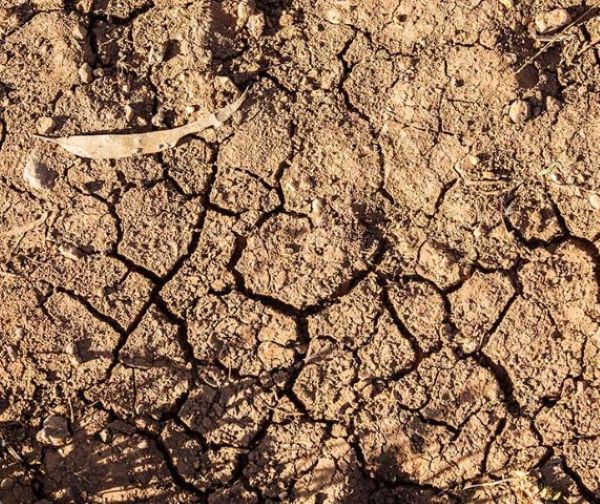
Soil Degradation Threatens Pakistan’s Agricultural Future
Experts have raised alarm over the rapid decline in Pakistan’s soil health, warning that the issue poses a serious threat to food security and long-term agricultural sustainability.
According to recent studies, excessive use of chemical fertilizers, poor irrigation practices, and unchecked urbanization have severely impacted soil fertility. Farmers across the country are reporting reduced crop yields, with soil erosion and nutrient depletion becoming widespread problems.
Climate change has further intensified the crisis. Rising temperatures, irregular rainfall, and frequent floods are accelerating soil degradation, leaving vast areas unsuitable for cultivation. Environmentalists caution that without urgent reforms, Pakistan’s ability to feed its growing population could be compromised.
The Ministry of National Food Security and Research has acknowledged the challenge, emphasizing the need for sustainable farming practices. Initiatives such as crop rotation, organic fertilizers, and better water management are being promoted to restore soil health. However, experts argue that stronger policy measures and public awareness campaigns are essential to reverse the damage.
Agricultural scientists also highlight the importance of investing in soil testing and monitoring systems. By identifying nutrient deficiencies and tailoring solutions, Pakistan can improve productivity while protecting its natural resources.
The decline in soil health is not just an environmental issue—it is an economic and social challenge that demands immediate attention. With agriculture serving as the backbone of Pakistan’s economy, restoring soil fertility is critical for ensuring food security, supporting rural livelihoods, and safeguarding the nation’s future.
Comments (0)
No comments yet. Be the first to comment!
Leave a Comment