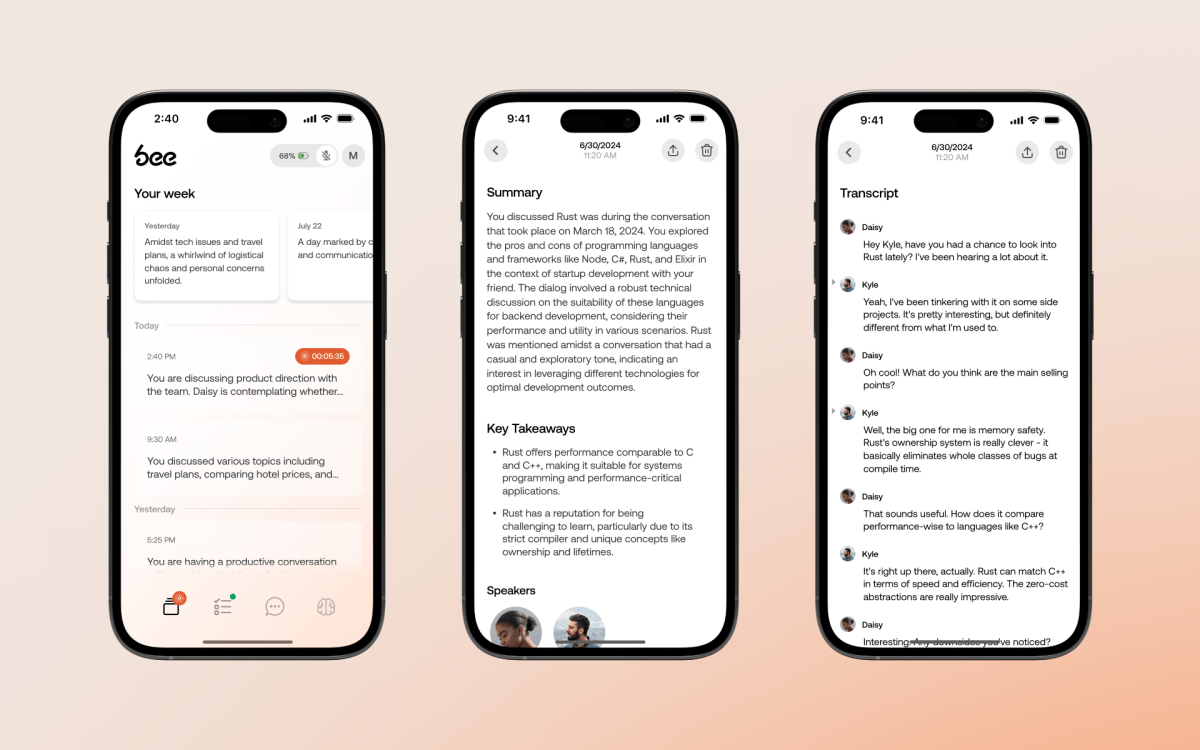
Amazon's Bee wearable device is the latest addition to the growing market of AI-powered wearables, and it has left me with mixed feelings. On one hand, the device offers a range of convenient features that make it an attractive option for those looking to streamline their daily lives. However, on the other hand, it also raises significant concerns about privacy and the potential risks associated with relying on artificial intelligence to manage our personal data.
The Bee wearable is designed to learn and adapt to the user's habits and preferences over time, providing personalized recommendations and insights to help them make the most of their day. This level of customization is undoubtedly useful, but it also means that the device is constantly collecting and analyzing vast amounts of personal data. As a result, users may find themselves wondering exactly how their information is being used and whether it is being shared with third-party companies.
One of the most intriguing aspects of the Bee wearable is its ability to anticipate and respond to the user's needs. For example, it can automatically adjust the temperature and lighting in a room to create a comfortable environment, or provide personalized fitness recommendations based on the user's activity levels. However, this level of automation also raises questions about the potential for the device to become too intrusive or controlling. As users become increasingly reliant on the Bee wearable, they may find themselves losing touch with their own preferences and instincts.
Despite these concerns, the Bee wearable is undeniably a cutting-edge device that has the potential to revolutionize the way we interact with technology. Its sleek design and user-friendly interface make it easy to use and navigate, and its advanced AI capabilities provide a level of sophistication and intelligence that is unmatched by many other wearables on the market. As the technology continues to evolve and improve, it will be interesting to see how Amazon addresses the privacy concerns and strikes a balance between convenience and security.
In conclusion, my experience with the Amazon Bee wearable has been a complex and thought-provoking one. While the device has certainly impressed me with its innovative features and capabilities, it has also left me with a sense of unease and uncertainty about the potential risks and implications of relying on AI-powered technology. As we move forward into an increasingly digital and automated world, it is essential that we carefully consider the consequences of our actions and ensure that our pursuit of convenience and innovation does not come at the cost of our privacy and autonomy.