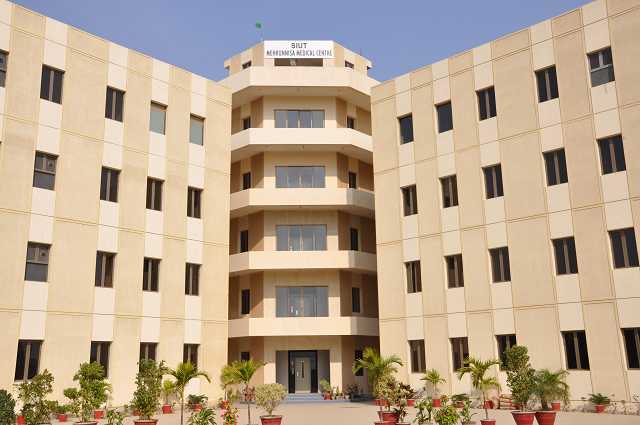
The Sindh Institute of Urology and Transplantation recently observed World Obstetric Fistula Day with a strong message emphasizing the importance of women's health rights. The event, held at the Agha Hasan Abidi Auditorium in Karachi, aimed to raise awareness about obstetric fistula, a preventable childbirth injury that can have severe physical and emotional consequences for women.
Obstetric fistula is a serious health issue that affects many women worldwide, particularly in developing countries where access to quality healthcare is limited. It is a devastating injury that can occur during childbirth, causing significant discomfort, pain, and social stigma for the affected women. The Sindh Institute of Urology and Transplantation has been actively working to address this issue, providing medical care and support to women affected by obstetric fistula.
The theme of this year's World Obstetric Fistula Day, "Her Health is a Right: Invest to End Fistula and Childbirth Injuries," highlights the need for increased investment in women's health and healthcare infrastructure. It emphasizes that every woman has the right to access quality healthcare, including safe and timely medical interventions during childbirth. By investing in women's health, we can prevent obstetric fistula and other childbirth injuries, promoting the well-being and dignity of women worldwide.
The observation of World Obstetric Fistula Day by the Sindh Institute of Urology and Transplantation serves as a reminder of the importance of continued efforts to address this critical health issue. It is essential to raise awareness about obstetric fistula, promote women's health rights, and support organizations working to prevent and treat this condition. By working together, we can make a significant difference in the lives of women affected by obstetric fistula, ensuring that they receive the medical care and support they deserve.
The Sindh Institute of Urology and Transplantation's commitment to addressing obstetric fistula is a step in the right direction, and their efforts should be commended. As we move forward, it is crucial to continue promoting women's health rights, investing in healthcare infrastructure, and supporting organizations working to prevent and treat obstetric fistula. Only through collective efforts can we hope to eradicate this preventable childbirth injury and promote the health and well-being of women worldwide.