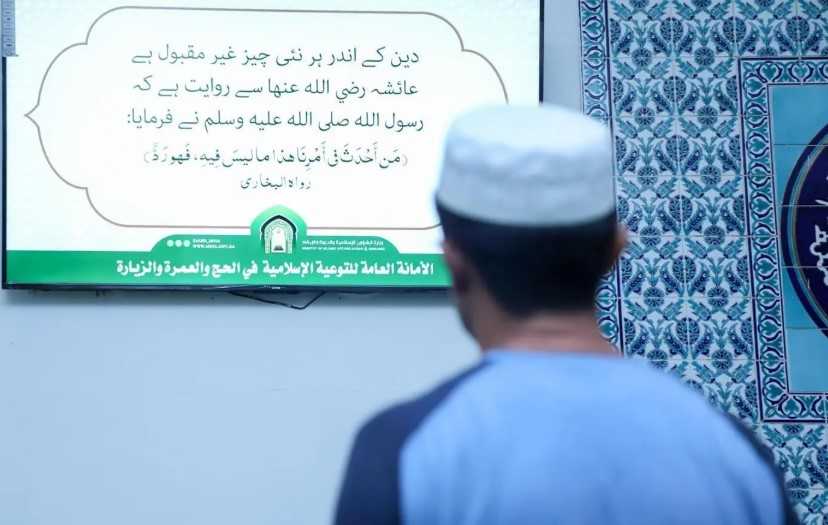
Saudi Arabia's Islamic Affairs, Dawah, and Guidance ministry has broadcast over three million digital awareness and guidance messages in ten languages to help pilgrims during this year's Hajj season.
The Saudi Ministry of Islamic Affairs, Dawah, and Guidance has disseminated more than 3.2 million digital awareness and guidance messages across 10 different languages since the commencement of the Hajj pilgrimage for the year 1447 AH. These messages aim to educate and guide pilgrims as they visit various holy sites during their religious journey.
The initiative underscores Saudi Arabia's commitment to ensuring that all visitors have access to essential information, regardless of their language background. The ministry has tailored its communications to cater to a diverse audience, making it easier for pilgrims from different parts of the world to understand and follow the guidelines provided by Islamic authorities.
These digital messages cover various aspects such as health advisories, safety protocols, prayer timings, and cultural practices at Mecca and Medina. They are disseminated through multiple platforms including social media channels, mobile applications, and local networks in Saudi Arabia.
The comprehensive nature of these broadcasts is designed to provide pilgrims with the necessary knowledge to ensure a safe and meaningful experience during their Hajj pilgrimage. This initiative not only enhances communication but also strengthens the relationship between the government and its citizens by ensuring that all are informed about important matters related to this significant religious event.
With over 2 million messages broadcast in Arabic, English, Urdu, Hindi, Bengali, Somali, Pashto, Malayalam, Tamil, and Telugu languages, Saudi Arabia has demonstrated its dedication to inclusivity and accessibility during the Hajj season. This effort reflects the kingdom's efforts to promote unity among Muslims from diverse linguistic backgrounds while adhering to Islamic teachings.
The success of this program is a testament to the effective use of modern technology in enhancing religious practices and ensuring that all pilgrims receive accurate information. It serves as an example for other countries hosting large-scale religious events, showcasing how digital communication can be leveraged to improve public welfare and understanding during such significant occasions.