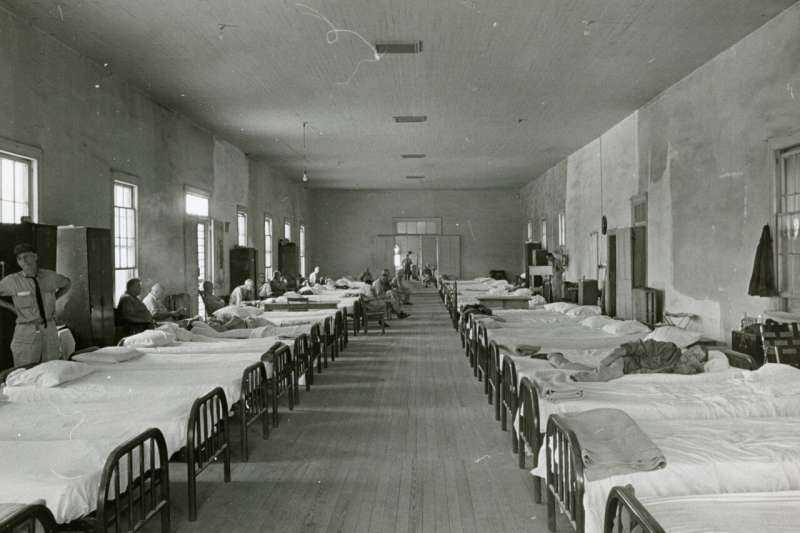
The story of Breta Meria Conole is a fascinating yet mysterious one, with her spending over two decades in a state psychiatric hospital. However, the reason behind her prolonged stay remains a family mystery, leaving her descendants with more questions than answers. This phenomenon is not unique to Conole's family, as many individuals face significant challenges when attempting to uncover the psychiatric records of their ancestors.
One of the primary obstacles in accessing these records is the complex web of state laws that govern their release. These laws vary significantly from state to state, with some being more restrictive than others. In many cases, the laws are designed to protect patient confidentiality, which is a noble goal. However, this also means that families are often left in the dark, unable to access crucial information about their ancestors' mental health histories.
The restrictions imposed by state laws can be particularly frustrating for genealogists and family historians who are trying to piece together their family's history. By denying access to psychiatric records, these laws can create significant gaps in a family's understanding of their heritage. This can be especially problematic for families who have a history of mental health issues, as understanding their ancestors' experiences can be essential in identifying potential genetic predispositions.
In recent years, there has been a growing trend towards greater transparency and access to historical records. Many archives and libraries are now making efforts to digitize and make available a wide range of historical documents, including psychiatric records. However, the pace of this progress is often slow, and many records remain inaccessible due to state laws. As a result, families like Conole's are left to ponder the mysteries of their ancestors' past, with many questions remaining unanswered.
The importance of accessing psychiatric records extends beyond mere curiosity, as it can also have significant implications for modern-day healthcare. By understanding the mental health histories of their ancestors, individuals can gain valuable insights into their own genetic predispositions and take proactive steps to manage their mental health. Furthermore, accessing these records can also help to reduce the stigma associated with mental illness, promoting a greater understanding and empathy for those who have struggled with these issues in the past.